
Getting around
Driving in Sri Lanka: Licences, Permits and Reality
Sri Lanka is one of the few countries where your home driving licence and even an International Driving Permit are not, on their own, enough to drive legally. You need a local recognition step. Here is exactly what is required, what it costs, and an honest assessment of whether you actually want to drive here at all.
Licence rules and fees are set by the Department of Motor Traffic and the Automobile Association of Ceylon and have changed several times recently. Figures below reflect the published position on 29 July 2026 — confirm with the authority before you rely on them. Yatours does not issue driving permits.
- Home licence alone
- Not sufficient
- 1968 Vienna IDP
- Valid as issued
- Other IDPs
- Need AA Ceylon endorsement
- DMT temporary licence
- From LKR 15,000 per month
The rule most visitors get wrong
You cannot legally drive in Sri Lanka on your home country licence alone, and in most cases not on an International Driving Permit alone either. You need a local recognition step. This is not a technicality: driving without valid authorisation can void your insurance entirely, which matters enormously if you are involved in a collision.
- Rental companies will often hand over a vehicle without checking properly — that does not make you legal.
- Insurance is the real exposure. An unlicensed driver can leave a claim unpaid.
- The requirement applies to cars, motorcycles and tuk-tuks alike.
- Sort the paperwork before you collect a vehicle, not afterwards.
The three ways to be legal
Which route applies depends on what kind of International Driving Permit you hold, if any.
Swipe sideways to see all columns
| Your situation | What you need | Where | Covers |
|---|---|---|---|
| You hold an IDP issued under the 1968 Vienna Convention | Nothing further — it is recognised as issued | Obtained in your home country before travel | The vehicle classes endorsed on the permit |
| You hold an IDP under the 1949 Geneva or 1926 Paris Convention | An AA Ceylon recognition or covering permit endorsing it | Automobile Association of Ceylon, Colombo 03 | Classes listed on your IDP, including tuk-tuks with a three-wheeler endorsement |
| You hold no IDP at all | A temporary driving licence from the Department of Motor Traffic | The DMT counter in the airport arrivals terminal, or the DMT office at Werahera | Motorcycle and light vehicle classes only — not tuk-tuks |
Since March 2025, AA Ceylon issues recognition permits only on the basis of an International Driving Permit, not directly against a foreign licence. If you want to drive a tuk-tuk, the AA Ceylon route with a three-wheeler endorsement is the one you need.
Department of Motor Traffic temporary licence fees
Published fees for temporary driving licences issued to visitors. These rose sharply in a recent gazette, so older blog figures are badly out of date.
Swipe sideways to see all columns
| Validity | Fee |
|---|---|
| Up to 1 month | LKR 15,000 |
| More than 1 month, up to 2 months | LKR 21,000 |
| More than 2 months, up to 6 months | LKR 30,000 |
| More than 6 months, up to 12 months | LKR 45,000 |
A temporary licence issued at the airport counter has a maximum validity of five months and covers motorcycle and light vehicle classes only. An AA Ceylon recognition permit is generally the cheaper route if you already hold an IDP.
How to get authorised to drive, step by step
The cleanest sequence is to sort your International Driving Permit at home, then complete the local step in Sri Lanka.
Get an IDP before you leave home
Apply through the motoring authority in your own country. If you can obtain a 1968 Vienna Convention permit, that is the simplest outcome, because it is recognised in Sri Lanka as issued. Note that some countries, including the United States, issue only the 1949 Geneva version.
Check your licence itself qualifies
Only full licences are accepted — provisional, probationary, learner and temporary licences are not. If your licence is not in English, carry a certified translation. For DMT conversion, the licence must be valid for at least a year from the date of conversion.
Take the local step on arrival
If you hold a Geneva or Paris IDP, take it with your licence, passport and visa to the Automobile Association of Ceylon in Colombo 03 for a recognition permit. If you hold no IDP, use the Department of Motor Traffic counter in the airport arrivals terminal, which operates around the clock, or the DMT office at Werahera.
Bring documents, copies and cash
Expect to need your passport, your visa or ETA approval, your original licence, your IDP where applicable, passport photographs and photocopies of everything. Fees are paid in Sri Lankan rupees.
Check the permit covers your vehicle class
Authorisation follows the classes on your licence and IDP. A DMT temporary licence does not cover three-wheelers, so if a tuk-tuk is the plan you need the AA Ceylon route with the appropriate endorsement.
Confirm the insurance position with the rental company
Ask, in writing, what the insurance covers, what the excess is, and whether cover depends on the permit you hold. This is the question that matters most and the one least often asked.
What driving here is actually like
Sri Lanka drives on the left. The expressways are modern, well-surfaced and genuinely easy. Everything else is a different proposition. Trunk roads pass through continuous ribbon development, with buses that overtake on assumption rather than sightlines, tuk-tuks that change direction without warning, motorcycles on both sides of you, and dogs, cattle and pedestrians sharing the same surface. Hill-country roads add tight hairpins, sheer drops and very little margin.
- Average speeds are low: 40 to 50 km/h on trunk roads is a realistic planning figure, not 80.
- Private buses set the tempo and expect to be given way to; arguing with one is a losing position.
- The horn is used as a signal of presence, not aggression — expect constant use.
- Avoid driving at night outside towns: unlit vehicles, pedestrians and animals are all common.
Self-drive, chauffeur-guide, or neither
Swipe sideways to see all columns
| Option | Costs | Works well when | Poorly suited to |
|---|---|---|---|
| Self-drive car | Rental plus permit fees, fuel and tolls | Long stays, one region, confident drivers used to chaotic traffic | First visits, island-wide circuits, and anyone who wants to look at the view |
| Chauffeur-guide with private vehicle | Usually comparable to rental plus fuel once permits and stress are counted | Multi-region itineraries, families, and anyone who wants local knowledge on tap | Travellers who specifically want the independence of driving themselves |
| Tuk-tuk rental | Cheap per day, plus the AA Ceylon permit route | Short hops around a single base like Ella or the south coast | Long distances, hill roads at night, and heavy luggage |
| Trains and buses | Very cheap | One or two set-piece journeys, and travel between major towns | Reaching national parks, remote hotels or anywhere with luggage |
In most of the world, hiring a driver is a luxury. In Sri Lanka it is close to the default for visitors, and the cost gap against self-drive is narrower than people expect once permits, fuel and the value of your own attention are counted.
If you do decide to drive
- Carry your licence, IDP and local permit at all times — police checkpoints are routine and polite.
- Seatbelts are required in the front, and a helmet is required on a motorcycle.
- Drink-driving limits are enforced and penalties are serious.
- Photograph the rental vehicle thoroughly at handover, including existing damage.
- Save your rental company's emergency number offline before you set off.
- In any collision, do not move the vehicles before police attend unless you are told to.
Why most of our guests do not drive
We are not neutral on this, so take the bias into account: our journeys are chauffeur-guided. But the practical argument stands independently. On a two-week island circuit you would spend a meaningful part of it navigating unfamiliar roads instead of looking out of the window, and the person beside you would not be able to tell you what the ruins are, when the elephants gather, or which turning leads to a better lunch.
- Professional chauffeur-guides who know the routes and the timings
- No permits, tolls, parking or navigation to manage
- Vehicle matched to party size and luggage
- Local knowledge for every stop, not just the driving
Official sources
Licence rules and fees change. Confirm with these before you make plans that depend on them.
- Department of Motor TrafficThe authority for temporary driving licences issued to visitors
- Temporary driving licences at the airportAirport and Aviation Services page listing requirements and current fees
- Automobile Association of CeylonRecognition and covering permits endorsing an International Driving Permit
The easier way round
Journeys with the driving handled
Every Yatours route is private and chauffeur-guided, so the roads are somebody else's problem.
Island-wide
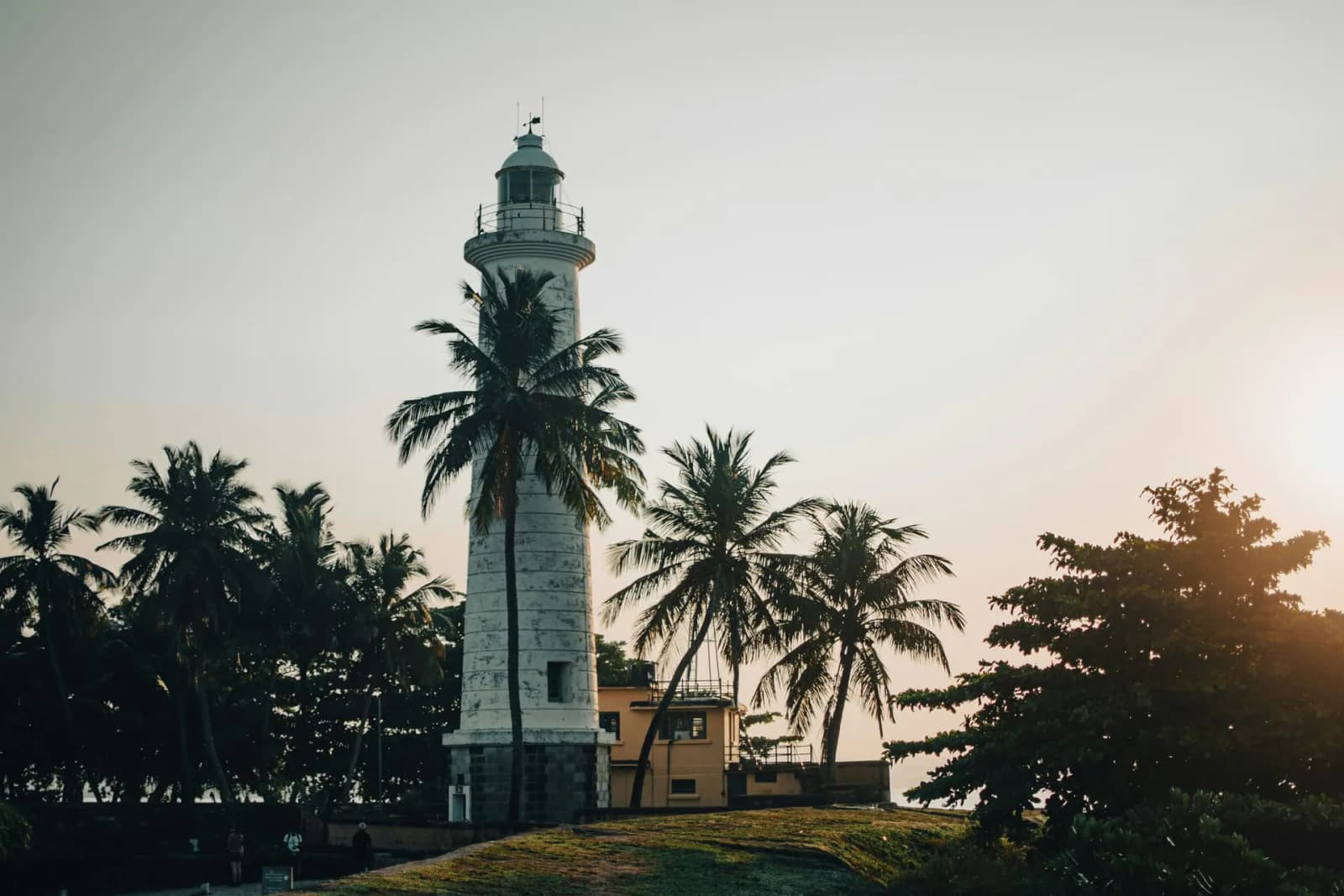
The Grand Island Journey
Coast to hills, end to end — the complete island, unhurried, at your own rhythm.
12 days · from USD 1,680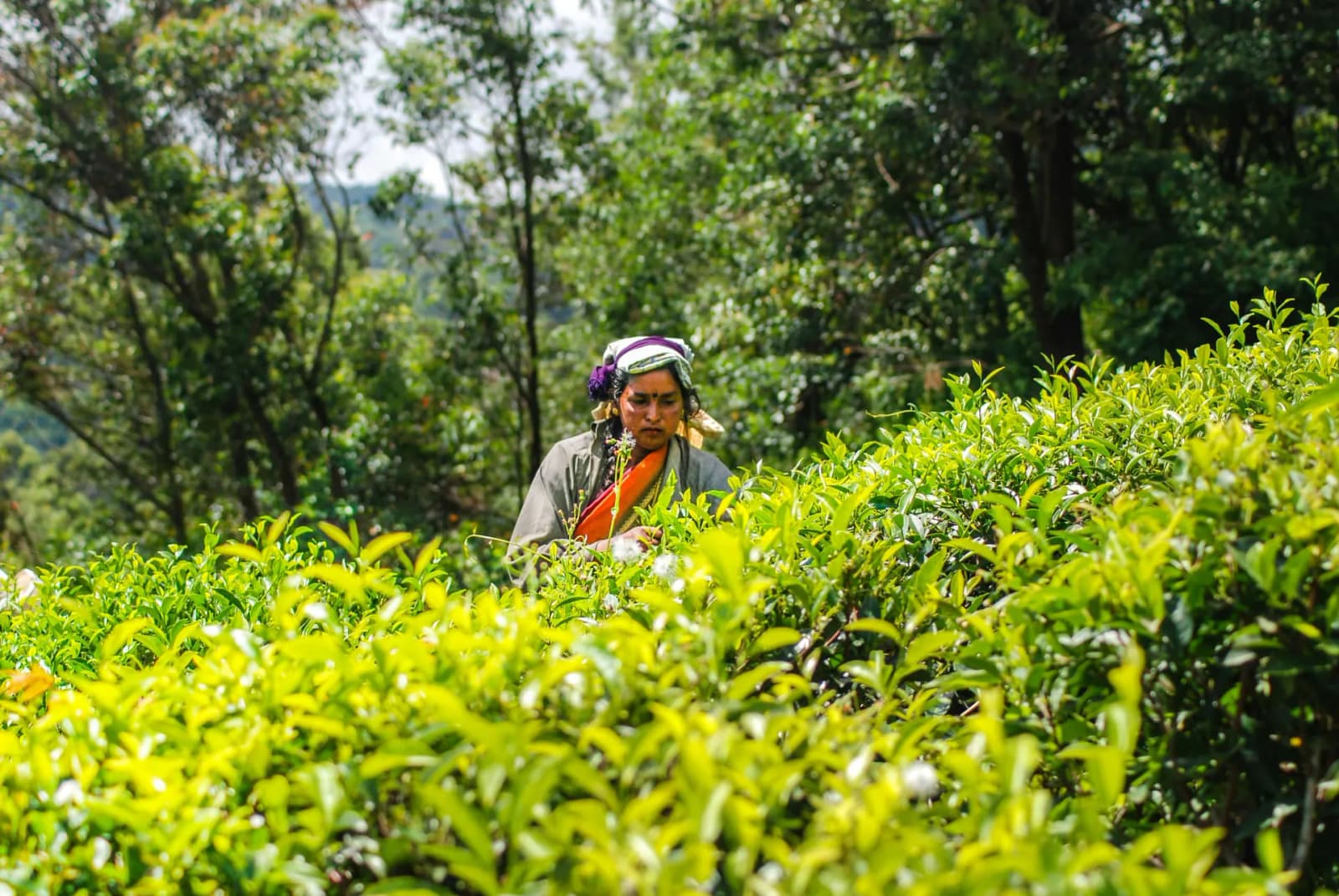
Hill Country
Hill Country & Tea Trails
Kandy to Ella by the slow blue train, through mist, waterfalls, and endless emerald terraces.
7 days · from USD 890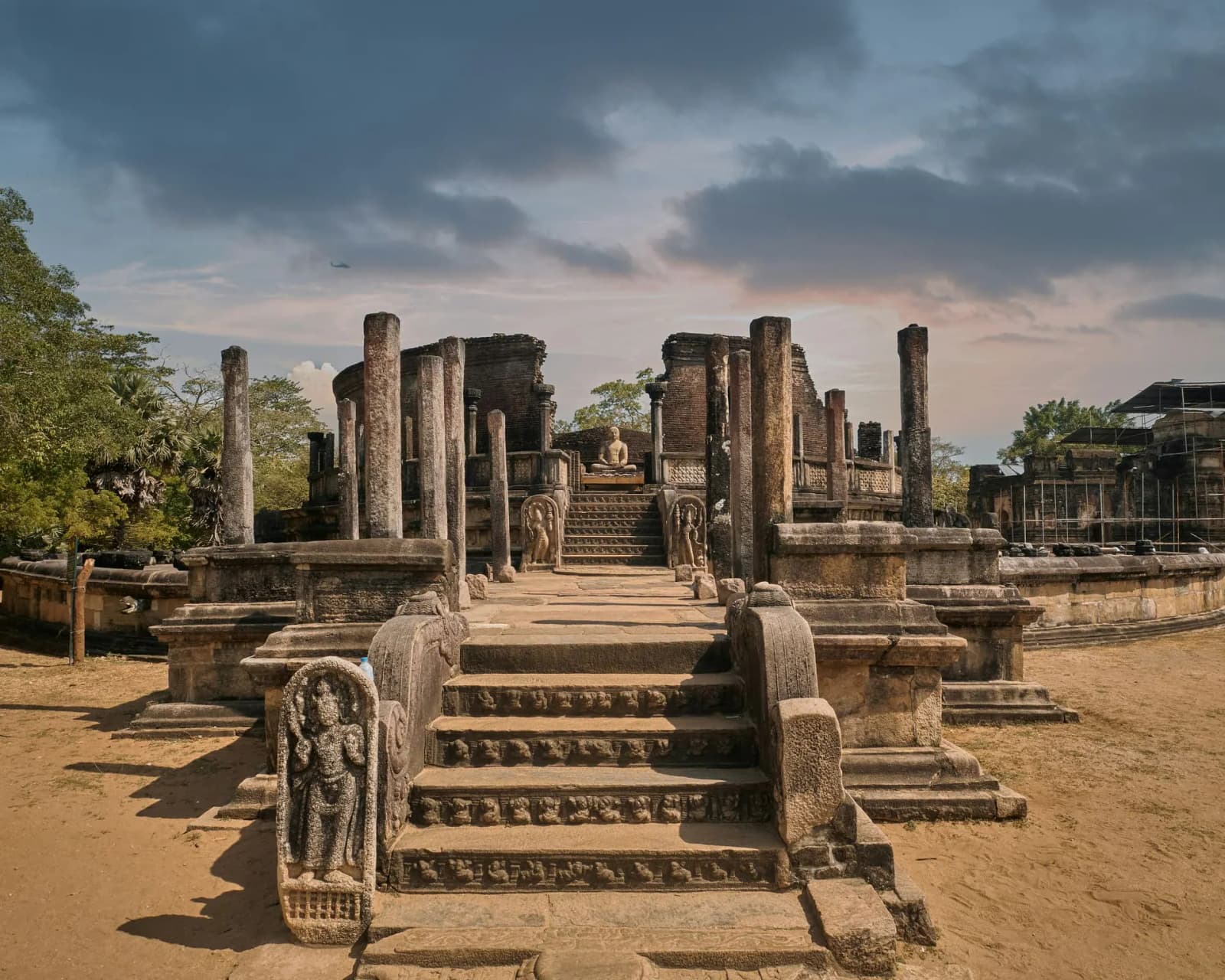
Cultural Triangle
Cultural Triangle Circuit
Ancient cities, cave temples, and the climb up Sigiriya into sky-palace air.
5 days · from USD 640
Good to know
Frequently asked questions
Can tourists drive in Sri Lanka on a foreign licence?
No. A home country licence is not sufficient on its own, and neither is an International Driving Permit in most cases. You need either an IDP issued under the 1968 Vienna Convention, an IDP under the 1949 Geneva or 1926 Paris Convention endorsed by the Automobile Association of Ceylon, or a temporary driving licence issued by the Department of Motor Traffic.
Is an International Driving Permit enough for Sri Lanka?
Only if it was issued under the 1968 Vienna Convention, which is recognised as issued. A 1949 Geneva permit — the type issued in the United States and several other countries — needs a recognition or covering permit from AA Ceylon before it is valid here. Since March 2025, AA Ceylon issues those permits only on the basis of an IDP, not directly against a foreign licence.
How much does a Sri Lankan temporary driving licence cost?
Published Department of Motor Traffic fees for visitors are LKR 15,000 for up to one month, LKR 21,000 for up to two months, LKR 30,000 for up to six months and LKR 45,000 for up to twelve months. These figures rose substantially in a recent gazette, so much of the advice online quotes obsolete amounts.
Can I get a driving permit at Colombo airport?
Yes. There is a Department of Motor Traffic counter in the arrivals terminal issuing temporary driving licences to visitors, operating around the clock. It covers motorcycle and light vehicle classes only, with a maximum validity of five months, and requires a full foreign licence valid for at least a year, plus passport and visa. It does not cover three-wheelers.
Do I need a permit to drive a tuk-tuk in Sri Lanka?
Yes, and the DMT temporary licence does not cover three-wheelers. For a tuk-tuk you need the AA Ceylon route: a valid International Driving Permit with the appropriate three-wheeler endorsement, recognised by a permit issued in Colombo. Plenty of rental operators are relaxed about this — your insurer will not be.
Is it safe to drive in Sri Lanka?
The expressways are straightforward, but ordinary roads are demanding: heavy bus traffic that overtakes assertively, tuk-tuks and motorcycles moving unpredictably, animals and pedestrians on the carriageway, and tight hill roads with steep drops. Plan on average speeds of 40 to 50 km/h on trunk roads, and avoid driving at night outside towns. Most first-time visitors are better served by a chauffeur-guide.
Is hiring a driver expensive in Sri Lanka?
Less than most visitors assume. Once you count the rental, permit fees, fuel, tolls and the time spent navigating, a private vehicle with a chauffeur-guide often lands close to self-drive on cost — and it comes with someone who knows the routes, the site timings and the traffic patterns.
Continue exploring
Skip the permits and the bus overtakes
Tell us your route and we will put a chauffeur-guide and the right vehicle with it — no paperwork, no navigation, no night driving.