
When to travel
Best Time to Visit Sri Lanka, Month by Month
There is no single best month to visit Sri Lanka, because the island has two monsoons that arrive on opposite coasts at opposite times of year. Almost every month is high season somewhere. Pick the coast first and the calendar falls into place — here is what each month actually delivers.
Weather patterns below describe long-run averages, not forecasts, and Sri Lanka's microclimates make local exceptions common. Festival dates follow the lunar calendar and are set each year. Checked 29 July 2026.
- South & west
- December to March
- East coast
- May to September
- Cultural Triangle
- Good most of the year
- Best value
- April–May, Sept–Oct
The short answer
If you want one recommendation and nothing else: come in February. The south and west coasts are at their driest, the hill country is clear and cool, and the Cultural Triangle is comfortable. December, January and March are close behind. If your heart is set on the east coast instead — Trincomalee, Nilaveli, Pasikudah, Arugam Bay — come between May and September, when the other side of the island is wet.
- First visit, want everything to work: December to March.
- East coast beaches and surf: May to September.
- Lower prices and quieter sites: April–May or September–October.
- Wildlife in the southern parks: February to July.
Why Sri Lanka has two seasons at once
The southwest (Yala) monsoon brings rain to the west and south coasts and the western slopes of the hill country roughly from May to September. The northeast (Maha) monsoon does the same to the north and east roughly from November to February. Because they run at opposite times, there is almost always a dry coast — which is why a 'rainy month' in Sri Lanka usually just means you are standing on the wrong side of the island.
- Rain here is typically heavy and short rather than all-day drizzle, especially outside the monsoon peaks.
- April and October are inter-monsoon months: hot, humid and prone to afternoon thunderstorms on both coasts.
- The hill country is cooler year-round — 10–20°C at night in Nuwara Eliya — and can be wet when the coasts are dry.
- The Cultural Triangle sits in the dry zone and works in most months.
Sri Lanka month by month
What each month tends to deliver, which coast to be on, and how busy and expensive it feels.
Swipe sideways to see all columns
| Month | Where to be | Weather | Crowds & value |
|---|---|---|---|
| January | South & west coasts, hill country, Cultural Triangle | Dry and sunny in the southwest; the east is still wet | Peak season. Book early; rates high through mid-month |
| February | Everywhere except the east | The most reliable month island-wide in the southwest | Peak, but slightly calmer than the New Year weeks |
| March | South & west coasts, hill country, parks | Warm and dry, building heat in the lowlands | Peak easing towards shoulder late in the month |
| April | Either coast, with flexibility | Hot and humid, inter-monsoon thunderstorms possible | Shoulder value, but Sinhala and Tamil New Year fills domestic travel |
| May | East coast; Cultural Triangle | Southwest monsoon arrives in the west and south | Good value in the southwest if you accept some rain |
| June | East coast, Trincomalee and Pasikudah | Dry and settled in the east; wet in the southwest | Quiet and good value on the east coast |
| July | East coast; Kandy for the festival season | East coast at its best; southwest still wet | Busy with European and school holidays; book ahead |
| August | East coast; Kandy and the hill country | Similar to July, with strong east-coast surf at Arugam Bay | Peak for families and for the Kandy Esala Perahera |
| September | East coast, early in the month; Cultural Triangle | East coast season winding down; inter-monsoon approaching | Shoulder value. Yala Block 1 usually closed for maintenance |
| October | Cultural Triangle; wherever the weather allows | The wettest, least predictable month on both coasts | Cheapest month, quietest sites, most compromise |
| November | South & west coasts from late in the month | Northeast monsoon arrives in the east and north | Shoulder turning to peak; late November is a sweet spot |
| December | South & west coasts, hill country | Dry season establishing in the southwest | Peak from mid-month; Christmas and New Year are the most expensive weeks of the year |
Sri Lanka is small, so a route that moves between regions can usually find good weather in any month — it just changes which regions belong in the itinerary.
Best months by what you actually want to do
Swipe sideways to see all columns
| If you want | Go | Why |
|---|---|---|
| Beaches in the south and west | December to March | Calm seas, clear skies, best swimming conditions around Galle, Mirissa and Bentota |
| Beaches and surf in the east | May to September | Arugam Bay's surf season, and the driest months in Trincomalee and Pasikudah |
| Leopards and elephants in the southern parks | February to July | Water sources shrink and animals concentrate; Yala Block 1 usually closes September–October |
| Whale and dolphin watching off Mirissa | December to April | The main southern season for blue whales and sperm whales |
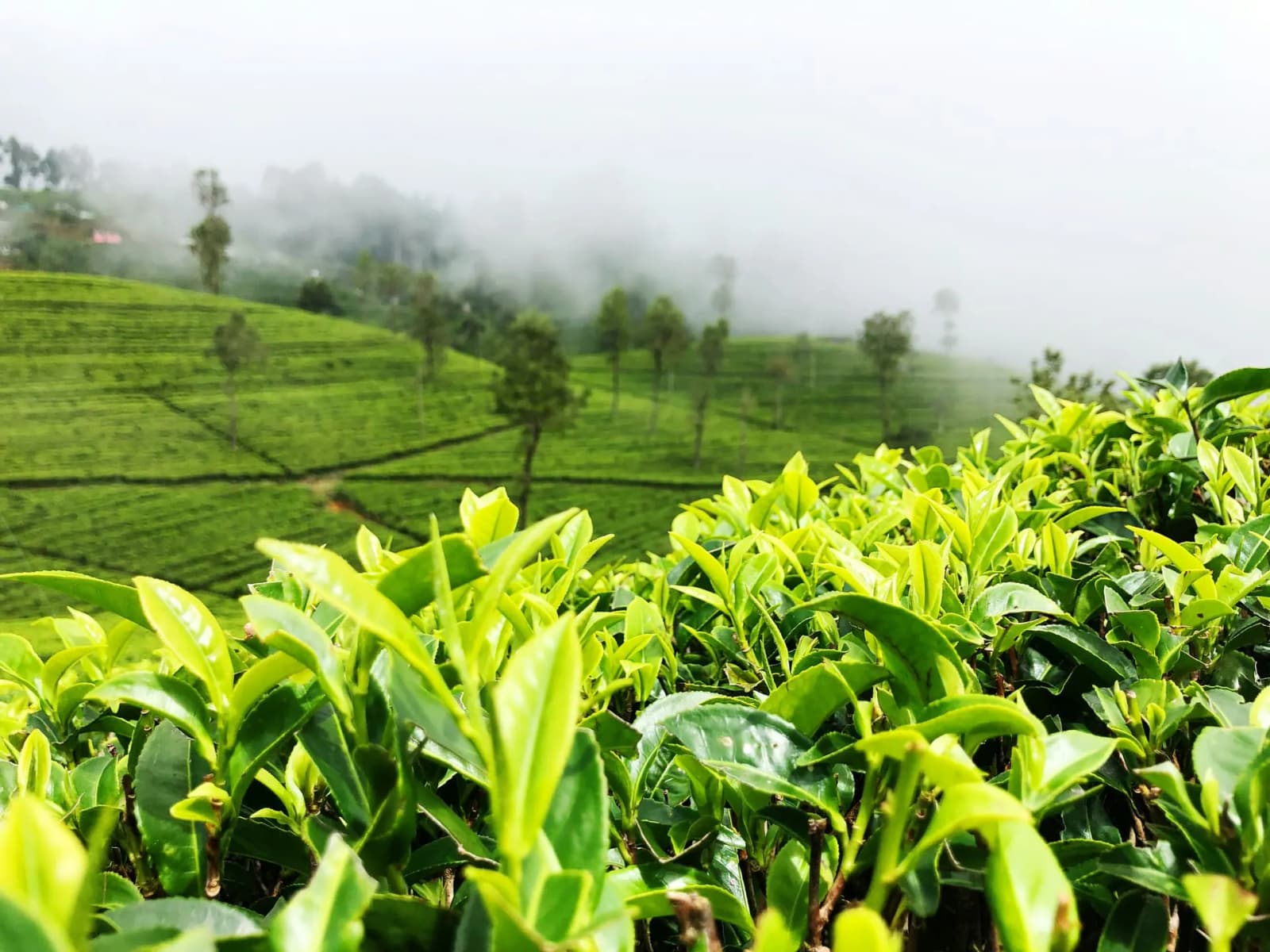
| The hill country and tea estates | January to March | Clearest views over the tea terraces and the best chance of dry walking weather |
| Hiking Adam's Peak | December to May | The pilgrimage season, when the path is lit and the summit is usually clear at dawn |
| Cultural Triangle sites | Any month, ideally not midday | Dry-zone climate; the real enemy is heat, so climb Sigiriya at opening time |
| Lower prices and fewer people | April–May, September–October | Shoulder and inter-monsoon months, when one coast is usually still workable |
Festivals worth planning around
Most Sri Lankan festivals follow the lunar calendar, so the dates move each year. These are the 2026 dates as published; confirm the current year before you build a trip around one.
Swipe sideways to see all columns
| Festival | When | Where | What it is |
|---|---|---|---|
| Duruthu Perahera | January | Kelaniya, near Colombo | A large temple procession opening the festival year |
| Sinhala & Tamil New Year | 13–15 April | Nationwide | The biggest domestic holiday. Expect closures, packed transport and full hotels |
| Vesak | The May full moon — 27 May to 2 June in 2026 | Nationwide | The most important Buddhist festival; lanterns, pandals and free food stalls everywhere |
| Poson | The June full moon — 29 June in 2026 | Anuradhapura and Mihintale | Marks the arrival of Buddhism in Sri Lanka; huge crowds at the ancient sites |
| Kataragama Esala Festival | July | Kataragama, near Yala | An intense multi-faith pilgrimage with fire-walking and processions |
| Kandy Esala Perahera | The Esala full moon, July or August — 18 to 28 August in 2026 | Kandy | The island's most spectacular procession: dancers, drummers and caparisoned elephants over ten nights |
| Nallur Festival | August into September | Jaffna | A long Hindu temple festival in the north, building to a chariot procession |
| Deepavali | October or November | Nationwide, strongest in Hindu areas | The festival of lights |
Kandy accommodation for the final nights of the Esala Perahera sells out months ahead, and grandstand seating along the route is arranged separately — this is one date worth planning a whole itinerary around.
Poya days affect every month
Every full moon is a Poya day and a public holiday in Sri Lanka. They matter practically, not just culturally.
- Alcohol is not sold in shops, and many hotels restrict bar service, on Poya days.
- Sites and temples are busier with Sri Lankan visitors, and some businesses close.
- Roads and trains are heavier the weekend either side of a Poya.
- Twelve or thirteen Poya days fall each year, so most two-week trips include one.
Is there a month to avoid?
October is the hardest month to plan around: the inter-monsoon means neither coast is reliably dry, humidity is high, and sea conditions are rough in places. That said, it is also the cheapest and quietest month, the Cultural Triangle still works, and the landscape is at its greenest. If you are flexible about swimming and willing to travel inland, October can be very good value. The month genuinely worth avoiding is whichever one puts you on the wrong coast: a south-coast beach holiday in June or July is a mistake no discount makes up for.
- October: wettest and least predictable, but cheapest and quietest.
- Mid-April: pleasant weather, but the New Year holiday closes businesses and fills transport.
- Late December: the best weather and the highest prices of the year, often with minimum-stay rules.
- Any month, on the wrong coast: the single most common planning error.
How we build a route around your month
Because we plan private itineraries rather than fixed departures, the month you can travel becomes the starting point rather than a compromise. A July trip leans east and inland; a February trip leans south and into the hills; an October trip is built around the dry zone with flexibility held in reserve. The point is that almost any month works in Sri Lanka — as long as the route is drawn for it.
- Route drawn around the dry coast for your dates
- Wildlife timed to park seasons and closures
- Festival dates checked against the current year's calendar
- Driving days shortened when the weather is likely to slow the roads
Where to check current dates
Built around your dates
Private journeys for any season
Each of these routes can be redrawn for the month you travel — the coast changes, the highlights do not.
Hill Country
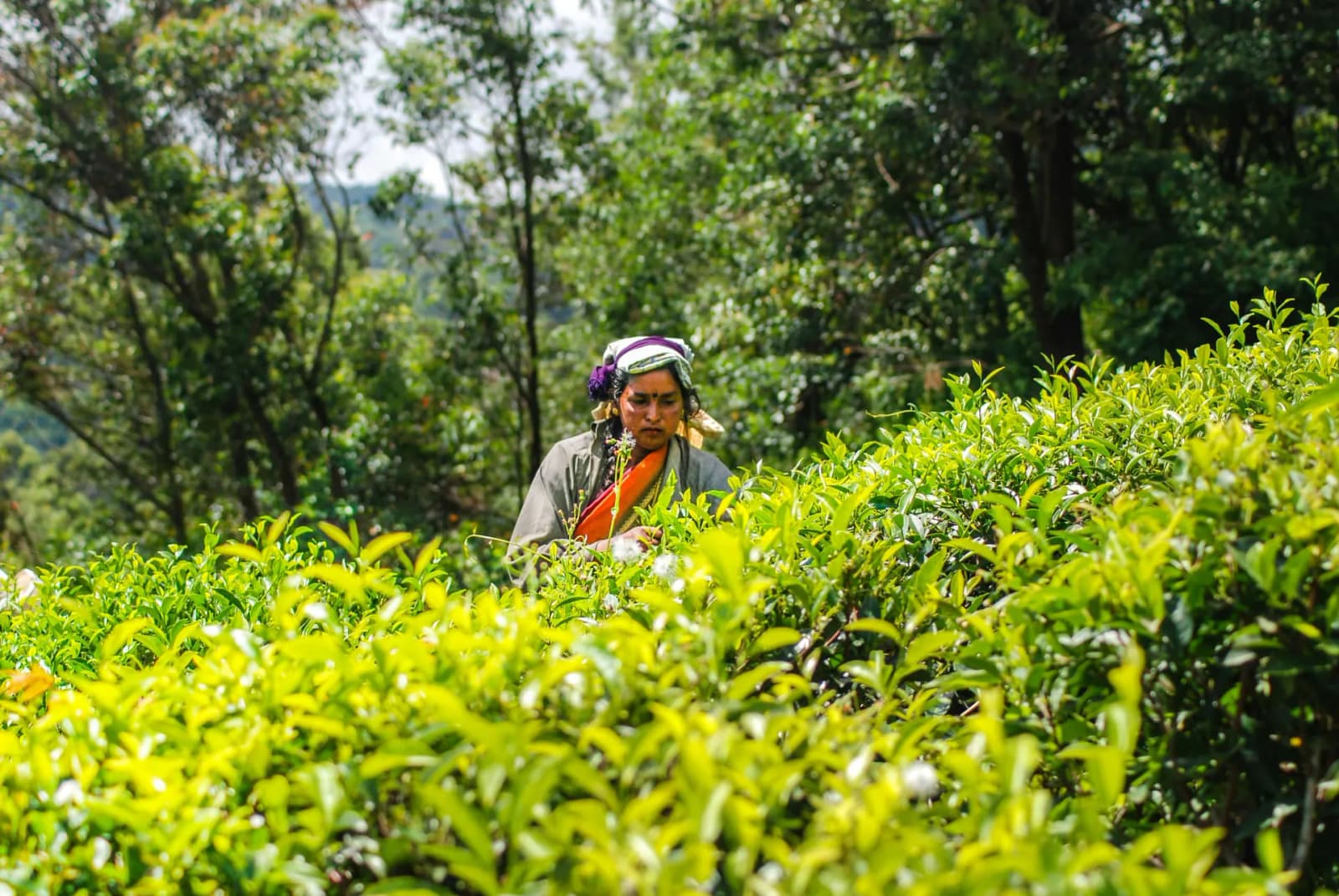
Hill Country & Tea Trails
Kandy to Ella by the slow blue train, through mist, waterfalls, and endless emerald terraces.
7 days · from USD 890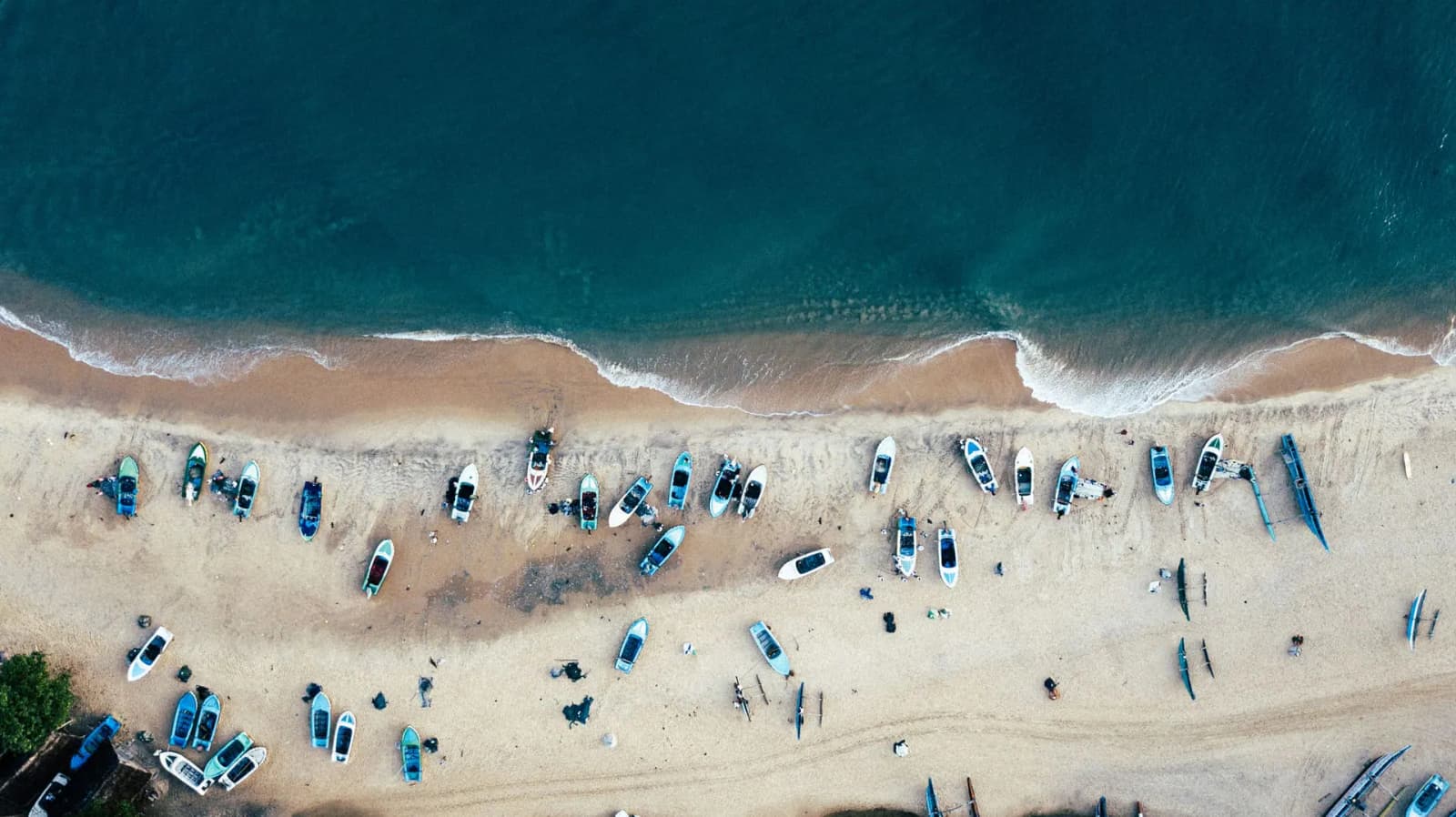
East Coast
East Coast & Open Water
Empty golden bays, warm reefs, and long slow days on the island's quieter shore.
9 days · from USD 1,040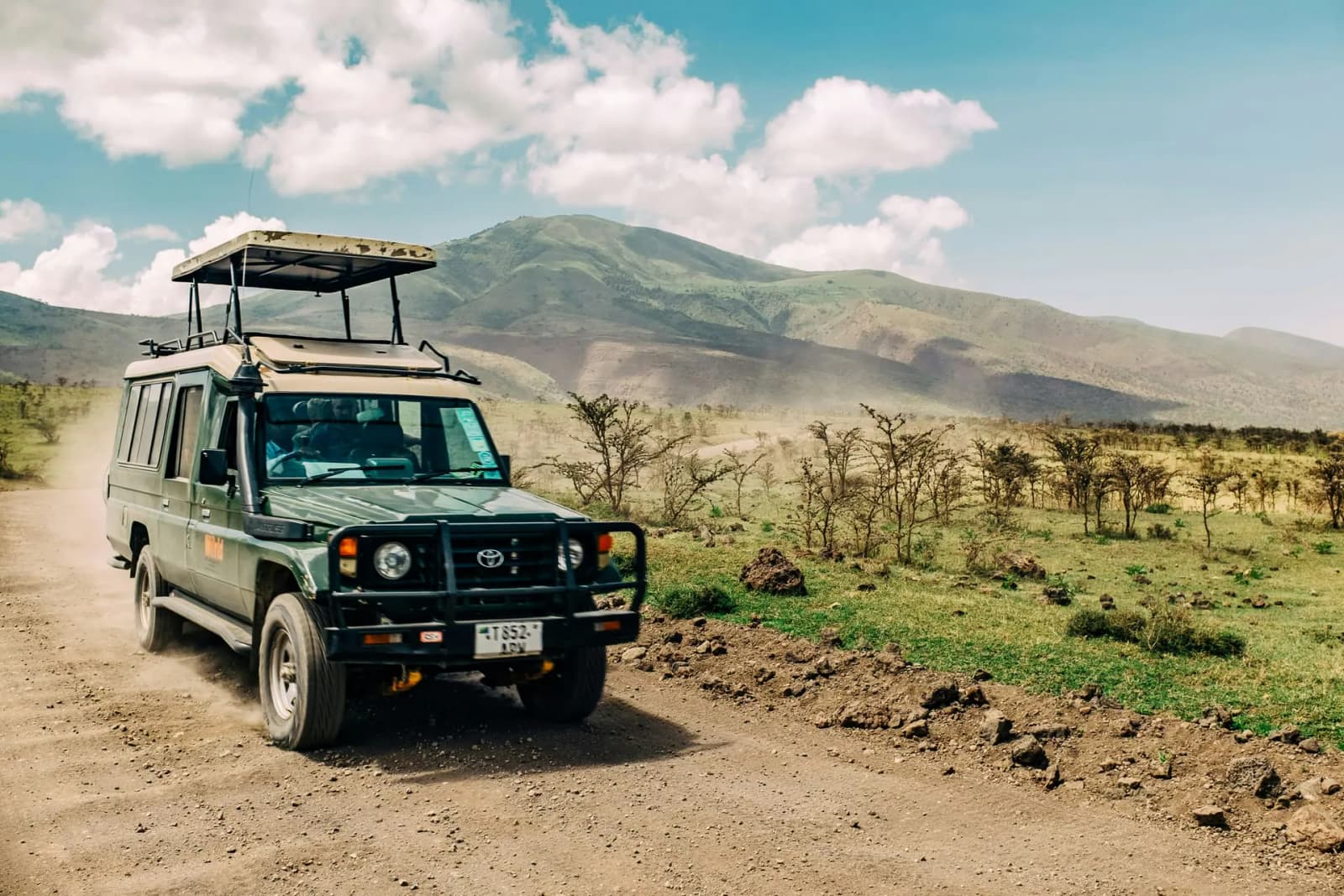
Deep South
Wild South, Safari & Sea
Dawn game drives in leopard country, then warm southern bays and whale-rich mornings.
6 days · from USD 760
Good to know
Frequently asked questions
What is the best month to visit Sri Lanka?
For most first-time visitors, February is the strongest single month: the south and west coasts are at their driest, the hill country is clear, and the Cultural Triangle is comfortable. December, January and March are nearly as reliable. If your priority is the east coast, come between May and September instead, when the southwest monsoon is affecting the other side of the island.
What is the rainy season in Sri Lanka?
There are two. The southwest monsoon brings rain to the west and south coasts and the western hills roughly from May to September, and the northeast monsoon does the same to the north and east roughly from November to February. Because they alternate, one coast is nearly always dry — 'rainy season in Sri Lanka' is only meaningful once you say which region you mean.
Is October a bad time to visit Sri Lanka?
October is the most difficult month, because the inter-monsoon leaves neither coast reliably dry and humidity is high. It is also the cheapest and quietest month, the Cultural Triangle still works well, and the countryside is at its greenest. If you can be flexible about beach days and are willing to travel inland, October offers real value.
When is the best time for a Sri Lanka safari?
February to July is the strongest window in the southern parks, when water sources shrink and animals concentrate around them. Yala's Block 1 is usually closed for annual maintenance in September and October, while Udawalawe stays open year-round — so a September or October trip generally means Udawalawe or Wilpattu instead.
When is the Kandy Esala Perahera?
It falls on the Esala full moon, in July or August, with the exact dates published each year by the Temple of the Sacred Tooth Relic. In 2026 the processions run from 18 to 28 August, building to the grand Randoli Perahera and the day procession at the end. Kandy hotels for the final nights sell out months in advance.
What is a Poya day and does it affect travel?
Every full moon is a Poya day and a public holiday. Alcohol is not sold in shops and many hotels restrict bar service, temples and sites are busier with Sri Lankan visitors, and some businesses close. There are twelve or thirteen a year, so most two-week itineraries include one — it is worth knowing rather than worth avoiding.
How many days do you need in Sri Lanka?
Seven to ten days covers a balanced first visit without constant rushing — culture plus hills, or wildlife plus coast. Twelve to fourteen days suits an island-wide circuit at a calmer pace. Under five days works best if you base yourself in one region rather than trying to cross the island.
Continue exploring
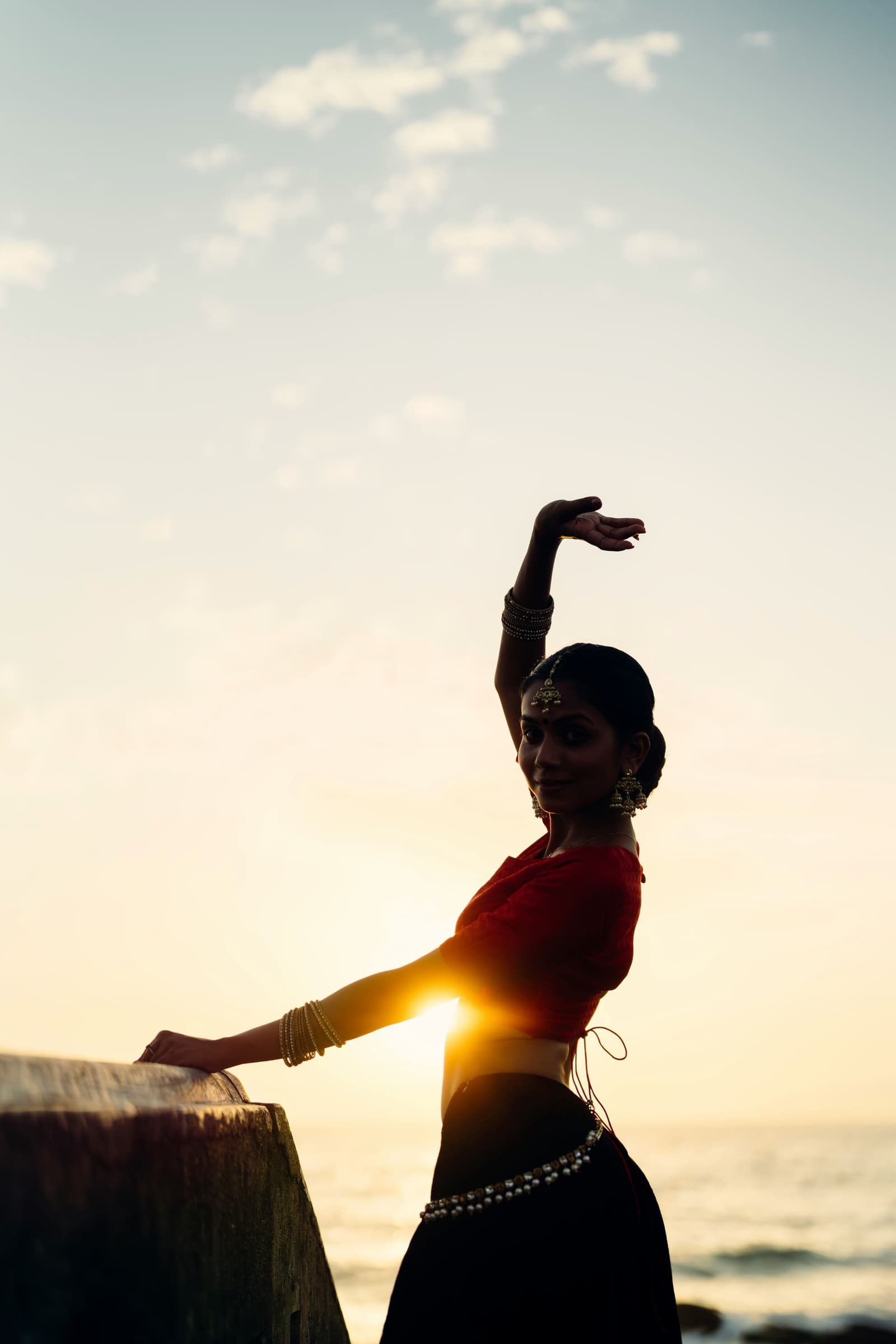
Tell us your month, we'll draw the route
Send us the dates you can travel and we will build a private itinerary around the coast and the parks that are at their best.