
Where to stay
Sri Lanka Hotel Booking: When, Where and How
Sri Lanka is small enough to cross in a day and complicated enough that the same week is peak season on one coast and monsoon on the other. Book with that in mind and you pay less for better rooms. Here is how accommodation actually works here — the seasons, the lead times, the licensing, and the questions worth asking before you pay.
Seasonal patterns and booking lead times below reflect how the market has behaved through 2026; rates and availability move constantly. Any property's registration can be checked against the Sri Lanka Tourism Development Authority registers linked at the foot of this page. Checked 29 July 2026.
- South & west peak
- December to March
- East coast peak
- May to September
- Best value
- April–May, Sept–Oct
- Peak lead time
- 3 to 6 months ahead
Sri Lanka has two monsoons, not one wet season
The southwest (Yala) monsoon and the northeast (Maha) monsoon reach opposite sides of the island at opposite times of year, which means there is almost always a dry coast somewhere. The practical consequence is that 'high season in Sri Lanka' means nothing on its own — high season depends entirely on which coast you are sleeping on.
- December to March: dry and busiest on the south and west coasts and in the hill country.
- May to September: the east coast's turn — Trincomalee, Nilaveli, Pasikudah and Arugam Bay.
- April–May and September–October are the inter-monsoon shoulders: lower rates, quieter sites, some showers.
- The Cultural Triangle around Sigiriya, Dambulla and Anuradhapura works most of the year.
When to book, region by region
Lead times matter more here than in most destinations, because the properties travellers actually want tend to be small. A twelve-room boutique hotel sells out in a way a 300-room resort does not.
Swipe sideways to see all columns
| Region | Best months | Book by | Notes |
|---|---|---|---|
| South & west coast — Galle, Mirissa, Bentota | December to March | 3 to 6 months ahead | Christmas, New Year and February half-term go first; peak rates can run 30–40% above shoulder months |
| Hill country — Kandy, Nuwara Eliya, Ella | December to March, plus dry spells year-round | 2 to 4 months ahead | Tea bungalows and colonial-era properties often have only a handful of rooms |
| East coast — Trincomalee, Pasikudah, Arugam Bay | May to September | 2 to 3 months ahead | Fills later than the south, but the best beachfront rooms still go early |
| Cultural Triangle — Sigiriya, Dambulla, Habarana | Most of the year | 1 to 3 months ahead | Generally good availability, except over Sri Lankan holiday weekends |
| Safari lodges — Yala, Wilpattu, Udawalawe | February to July for Yala | 3 to 6 months ahead | Tented camps are tiny; park closures for maintenance can affect September and October |
If your dates fall over Christmas and New Year, the Sinhala and Tamil New Year in April, or the July–August school holidays, treat accommodation as urgently as you treat flights.
What the accommodation categories actually mean
Tourist accommodation in Sri Lanka is licensed by the Sri Lanka Tourism Development Authority (SLTDA), and the category on the licence often tells you more than a star rating on a booking site.
Swipe sideways to see all columns
| Category | What it usually means | Suits |
|---|---|---|
| Classified tourist hotel | Star-graded hotel, inspected against SLTDA classification criteria | Travellers who want familiar standards and full facilities |
| Registered tourist hotel | Licensed but not star-classified — quality varies a great deal | Good value, if you read recent reviews carefully |
| Boutique hotel, villa or heritage property | Small and design-led, often a converted house, bungalow or plantation home | Couples, and anyone tired of resort scale |
| Guest house | Small, family-run, simple rooms, usually the best local knowledge | Budget travel and one-night hill-country stops |
| Home stay | Rooms in a family home, licensed under the SLTDA home-stay scheme | Travellers who want somewhere genuinely lived-in |
| Bungalow or rented villa | Whole-property rental, frequently with staff and a cook | Families and groups staying several nights in one place |
How to book a hotel in Sri Lanka
Fix the route before the rooms
Sri Lanka punishes over-driving. Decide which regions you are actually sleeping in, and for how many nights, before booking anything — three nights in three places almost always beats six one-nighters.
Match the coast to your month
Use the season table above. Booking a Mirissa beach week in June, or Trincomalee in January, is the most common and most expensive planning mistake made here.
Check the property is licensed
Look the name up on the SLTDA registers, or ask the property directly for its registration and licence number and the licence validity date. Licensed properties are inspected and answerable to a regulator; unlicensed ones are not.
Compare on a booking site, then ask the hotel directly
Online travel agencies are the fastest way to shortlist and read recent reviews. Many Sri Lankan properties will then match or beat that rate for a direct booking, and often add breakfast, a room upgrade or a late checkout.
Confirm what the rate actually includes
Ask three questions: is the rate per room per night, is it inclusive of service charge and government taxes, and which meal plan applies — room only, bed and breakfast, half board, full board or all inclusive.
Get it in writing and read the cancellation terms
Keep a written confirmation showing the rate, meal plan, room category and cancellation deadline. Never send a deposit by bank transfer to a personal account.
Direct, online travel agency, or through an operator
Swipe sideways to see all columns
| Channel | Best for | Watch out for |
|---|---|---|
| Hotel direct | Perks, flexibility, accurate room descriptions, special requests | Slower replies, and not always the lowest headline rate |
| Online travel agency | Comparing quickly, recent reviews, instant confirmation | Vague room categories, taxes added late, cancellation terms that change with the rate |
| Tour operator or DMC | Multi-region itineraries, contracted rates, one party accountable for everything | Less useful if all you need is a single room for a single night |
For one city stay, book direct or through a booking site. For a two-week route across three or four regions, having one party responsible for every room, transfer and check-in time is usually worth more than a few dollars a night.
Reading a Sri Lankan hotel quote
Rates here are often quoted before the extras that appear on the final bill, and meal plans are written in shorthand.
- Service charge and government taxes are frequently added on top of the quoted room rate — ask for the all-in figure.
- Meal plans: RO is room only, BB bed and breakfast, HB half board, FB full board, AI all inclusive.
- Minimum-stay rules and compulsory festive dinners are common over Christmas and New Year.
- Child rates and extra beds are set by each property, not by any national standard — confirm ages when you book.
How hotel bookings go wrong here
- 'Beach view' is not 'beach access', and 'walking distance' can mean crossing a main road.
- Listing photographs can be years old, particularly at smaller properties.
- A cheap room in the wrong region for your month buys you rain and rough seas.
- Deposits requested to a personal bank account, or by an agent with no licence, are a red flag.
- An unlicensed property leaves you with no regulator to escalate to when something goes wrong.
Booking accommodation as part of a journey
Because we book Sri Lankan hotels every week, we hold contracted rates and know which rooms are worth having in each property — which floor catches the sea breeze, which tea bungalow is genuinely quiet, which safari camp justifies the drive. On a Yatours itinerary the stays are chosen around your route and pace, and if plans change mid-trip we move the bookings for you.
- Licensed properties only, matched to brief and budget
- Contracted rates and inclusions confirmed in writing before you travel
- Rooms, transfers and check-in timings planned as one sequence
- One point of contact in Sri Lanka if anything needs changing
Where to verify a property
These are the registers to check a name against. A licensed property will give you its registration number without hesitating.
- SLTDA registered accommodation listsOfficial registers of classified hotels, tourist hotels, guest houses, home stays, bungalows and villas
- Sri Lanka Tourism accommodation directoryListings with registration numbers, licence numbers and validity dates
- Sri Lanka Tourism Development AuthorityThe regulator for tourism businesses, including accommodation and operators
Stays already chosen
Journeys with the accommodation handled
On these routes the stays are contracted, sequenced and matched to the season — no cross-checking booking sites region by region.
East Coast
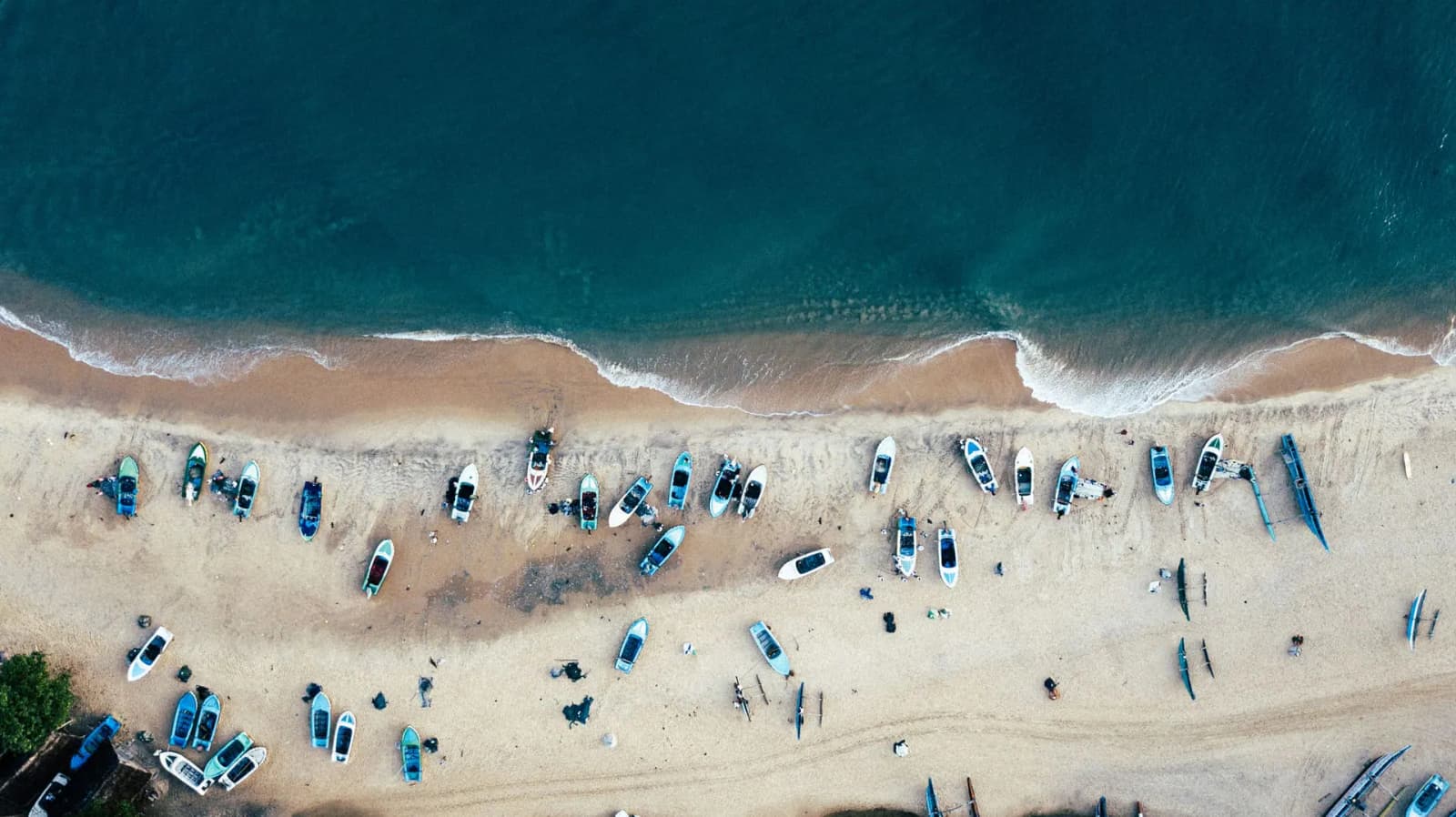
East Coast & Open Water
Empty golden bays, warm reefs, and long slow days on the island's quieter shore.
9 days · from USD 1,040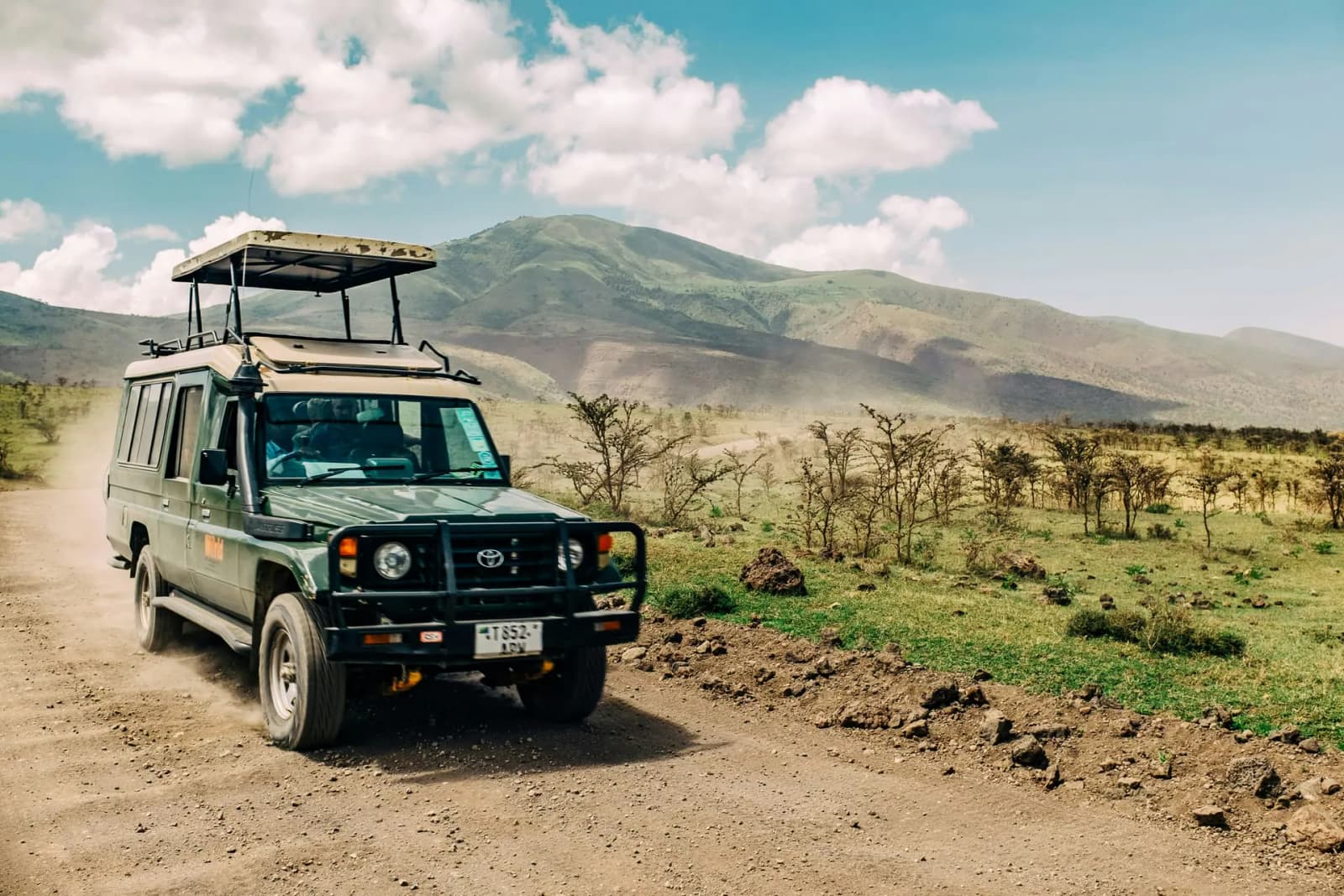
Deep South
Wild South, Safari & Sea
Dawn game drives in leopard country, then warm southern bays and whale-rich mornings.
6 days · from USD 760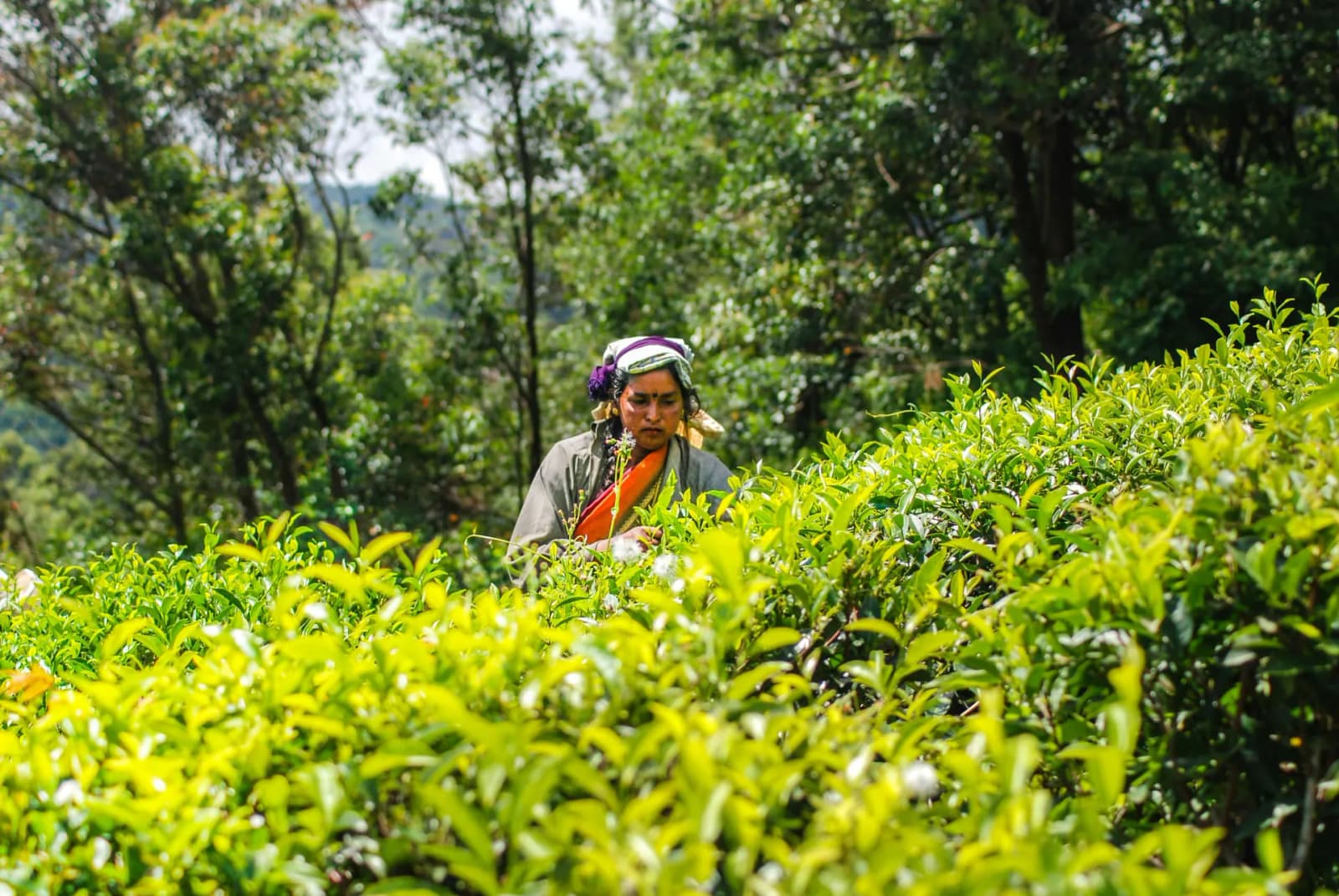
Hill Country
Hill Country & Tea Trails
Kandy to Ella by the slow blue train, through mist, waterfalls, and endless emerald terraces.
7 days · from USD 890
Good to know
Frequently asked questions
How far in advance should I book hotels in Sri Lanka?
For peak dates — the south and west coasts from December to March, safari lodges and hill-country bungalows, and the July–August school holidays — book three to six months ahead. In the shoulder months of April–May and September–October, four to six weeks is usually enough, although specific villas and room types still sell out early.
When is the best time to visit Sri Lanka for good weather?
It depends on the coast rather than the calendar. December to March is dry and busiest on the south and west coasts and in the hill country; May to September is the east coast's dry season, covering Trincomalee, Pasikudah and Arugam Bay. April–May and September–October are inter-monsoon shoulders with lower rates and some showers.
Is it cheaper to book direct or through a booking site?
Headline rates are often similar, because most properties price-match the major online travel agencies. Direct booking tends to win on flexibility, accurate room descriptions and extras such as breakfast, an upgrade or a late checkout. The practical approach is to shortlist and read reviews on a booking site, then contact the hotel directly and ask what they can do on the same dates.
How do I check a Sri Lankan hotel is legitimate?
Ask for its SLTDA registration number, licence number and licence validity date, then check the name against the Sri Lanka Tourism Development Authority registers or the official Sri Lanka Tourism accommodation directory. Licensed properties are inspected and accountable to the regulator. Be wary of any property that avoids the question, or asks for a deposit into a personal bank account.
Are Sri Lankan hotel rates quoted including tax?
Not always. Many properties quote a room rate to which service charge and government taxes are then added, so the figure on your final bill can be meaningfully higher than the one you were sent. Ask specifically for the all-inclusive rate per room per night, and confirm which meal plan is included.
Which coast should we stay on in July and August?
The east coast — Trincomalee, Nilaveli, Pasikudah and Arugam Bay — is in its dry season while the southwest monsoon is affecting the other side of the island. These months are also international school holidays, so the best family rooms and beachfront suites go early; book by around May if you can.
Can Yatours book our hotels for us?
Yes, as part of a private itinerary. We work with licensed properties on contracted rates, choose the specific rooms rather than just the property, and sequence the stays so travel days stay realistic. If plans change while you are here, we move the bookings rather than leaving you to negotiate them.
Continue exploring
Let us match the stays to your route
Tell us your dates, your pace and your budget, and we will put together an itinerary with the rooms already chosen and confirmed.