
Before you fly
Sri Lanka Packing List: What to Actually Bring
The mistake is packing for a tropical island. A single Sri Lankan itinerary can put you on a 32°C beach, at a 10°C dawn in Nuwara Eliya, barefoot in a temple with your shoulders covered, and in an open jeep at first light. This is what to bring for each of those, and what you can safely leave at home.
Written for a typical two-week itinerary combining coast, hill country and cultural sites. Adjust for your own route and month — the best-time guide sets out what to expect when. Checked 29 July 2026.
- Coast
- 28–32°C, humid
- Hill country
- 10–20°C at night
- Temples
- Shoulders and knees covered
- Plugs
- Type D and G, 230V
Pack light, in layers, and washable
Sri Lanka is humid, and almost everything you wear will need washing more often than you expect. Laundry is cheap, quick and widely available, so a week's worth of clothes covers a fortnight comfortably. Loose natural fabrics and quick-drying synthetics both work; heavy denim does not. The one thing worth taking seriously is a warm layer, because the hill country genuinely surprises people.
- Pack for about seven days and use hotel or local laundry — it is inexpensive and fast.
- Loose, light, breathable clothes beat anything tight or heavy.
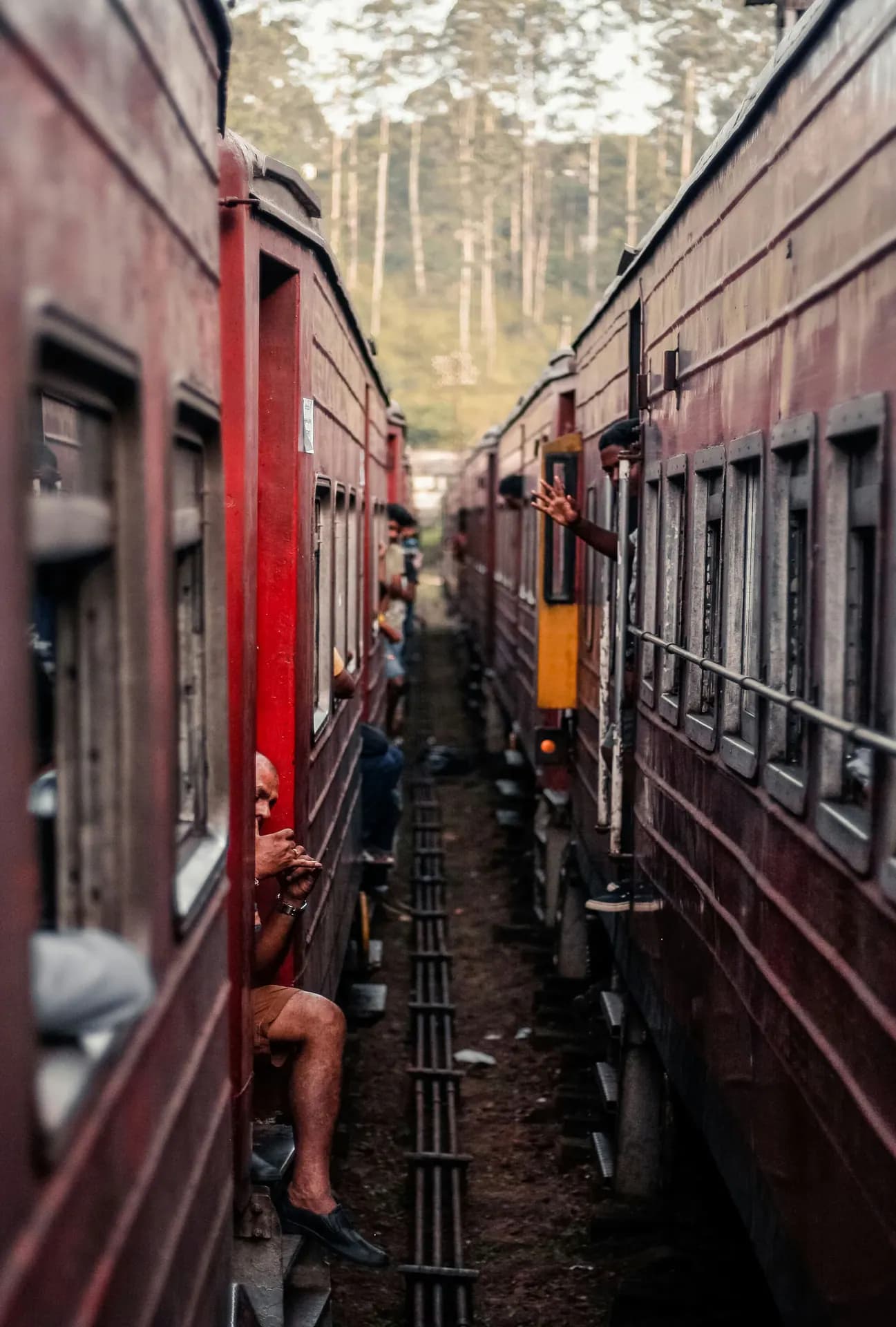
- A soft bag travels better than a hard case if a train leg is in your plans.
- Leave space: textiles, tea and spices are the things people actually buy here.
What each part of the island demands
Most itineraries visit at least three of these, which is why a single-climate packing list fails.
Swipe sideways to see all columns
| Where | Conditions | What you need |
|---|---|---|
| Coast — Galle, Mirissa, Trincomalee, Arugam Bay | 28–32°C, humid, strong sun, warm sea | Swimwear, sarong, sun hat, high-factor sunscreen, sandals, one light cover-up for restaurants |
| Hill country — Kandy, Nuwara Eliya, Ella | Pleasant days, 10–20°C nights, damp and misty, sudden rain | Fleece or warm layer, long trousers, light waterproof, proper walking shoes |
| Cultural Triangle — Sigiriya, Dambulla, Polonnaruwa, Anuradhapura | Hot, dry, exposed, very little shade | Sun hat, breathable long sleeves, plenty of water capacity, socks for barefoot temple floors |
| National parks — Yala, Udawalawe, Wilpattu | Cold at dawn, hot by mid-morning, dusty and open | Layers you can shed, muted colours, buff or scarf against dust, binoculars |
| Colombo | Hot, humid, urban | Smart-casual for restaurants and rooftop bars; some venues turn away shorts and flip-flops |
Temple dress code is enforced, not suggested
Buddhist and Hindu sites across the island apply a dress code, and at major sites like the Temple of the Sacred Tooth Relic in Kandy and the Dambulla caves you will simply be turned away if you arrive unprepared.
- Shoulders and knees must be covered — for men as well as women.
- Shoes come off, and so do hats. Stone courtyards get painfully hot at midday, so carry socks.
- White or light clothing is customary and appreciated at temples, though not required of visitors.
- Do not pose with your back to a Buddha image for photographs, and never get a visible Buddha tattoo — it has caused travellers real problems at immigration.
- A large scarf or sarong in your daypack solves nearly every dress-code problem on the spot.
Adjusting for your month
Swipe sideways to see all columns
| When you travel | Add | Why |
|---|---|---|
| December to March, south and west | Extra sun protection, a warm layer for the hills | Peak dry season on the southwest; clear skies mean strong sun, and hill nights are coldest now |
| May to September, east coast | Rash vest, reef-safe sunscreen, dry bag | East coast surf season, with long days on and in the water |
| May to September, if you are in the southwest | Proper light rain jacket, quick-dry footwear | Southwest monsoon: heavy short downpours rather than constant drizzle |
| October and November | Umbrella, waterproof phone pouch, insect repellent | Inter-monsoon and northeast monsoon onset; standing water means more mosquitoes |
| Any month, hill country | Fleece, long trousers, closed shoes | Nuwara Eliya drops to around 10°C at night year-round, and hotels rarely have heating |
A poncho or compact umbrella is more useful than a heavy waterproof jacket in the lowland heat, where a rain shell quickly becomes a sauna.
Health kit and toiletries
Pharmacies in Sri Lankan towns are good and inexpensive, and most things are available, so there is no need to bring a field hospital. What is worth carrying is anything you specifically rely on, plus the small items that are annoying to hunt for when you need them.
- Any prescription medication in its original packaging, with a copy of the prescription.
- Insect repellent with DEET or picaridin — dengue is present, and mosquitoes are most active at dawn and dusk.
- Rehydration sachets: the single most useful thing in the bag, for heat as much as for illness.
- Motion-sickness tablets if you are prone — hill roads are relentlessly winding.
- High-factor sunscreen and after-sun; brands are available locally but choice is narrower and prices higher.
- Blister plasters, basic painkillers, antihistamine and any stomach remedy you trust.
- A refillable water bottle, ideally with a filter, to cut down on plastic.
Power, plugs and electronics
Swipe sideways to see all columns
| Item | Detail |
|---|---|
| Mains voltage | 230V, 50Hz |
| Plug types | Type D (three round pins) most common, with Type G (UK-style) increasingly widespread |
| Adaptor | A universal adaptor covering D and G; many hotels have multi-sockets but do not rely on it |
| Power bank | Genuinely useful for long drive days, train legs and early safaris |
| Camera | A zoom of 200mm or more transforms safari photography; wide-angle for the ruins |
| Binoculars | The most under-packed item for Sri Lanka — the birdlife alone justifies them |
| Drone | Restricted. Permits are required and many sites prohibit flying — check before you pack one |
Power cuts are much less frequent than during the 2022 crisis but still happen, and a head torch or phone torch is worth having in the hill country.
The things travellers most often wish they had brought
After enough arrivals, the same short list comes up again and again. None of it is exotic, which is exactly why it gets left behind.
- A large scarf or sarong — temple cover, sun shade, beach mat, train blanket, dust protection.
- Socks, for hot temple courtyards where shoes are not allowed.
- A warm layer, because nobody expects to be cold in Sri Lanka.
- Binoculars, for both safari and birdwatching from a hotel balcony.
- A head torch, for pre-dawn safari starts and occasional power cuts.
- Small denomination rupees for tips, roadside stops and temple donations.
- A soft daypack for the day the main luggage travels ahead by road.
What to leave at home
Overpacking is the norm and it costs you on train legs, in tuk-tuks and up hotel stairs. These are the things that reliably come home unused.
- Heavy hiking boots — trail shoes handle Sigiriya, Ella Rock and Horton Plains perfectly well.
- A thick rain jacket, which becomes unbearable in lowland humidity.
- Formal clothing, unless you have a specific event; smart-casual is the ceiling almost everywhere.
- Large hard-shell suitcases, if any train travel is planned — luggage space is tight.
- Bulk toiletries, which are cheap and widely available locally.
- Anything camouflage-patterned, which is inappropriate and best avoided entirely.
Documents and money
Keep a digital and a paper copy of everything important, stored separately from the originals. Card acceptance is good in hotels and city restaurants, and thin to non-existent at temple gates, roadside stalls and park entrances.
- Passport, plus your approved ETA printed and saved offline.
- Travel insurance details, including the emergency assistance number.
- A copy of your itinerary with hotel names and phone numbers.
- Two payment cards from different networks, kept in different bags.
- Rupees in cash for tips, entry fees, tuk-tuks and small purchases.
- Your driving licence, International Driving Permit and local permit if you intend to drive.
Travelling lighter on a private journey
One practical advantage of a chauffeur-guided route is that your luggage does not have to come everywhere with you. Bags travel in the vehicle while you climb Sigiriya with a daypack, and on the train legs we drive the cases ahead to your next hotel so you ride with nothing but a camera and water.
- Luggage carried in the vehicle rather than up temple steps
- Cases driven ahead on train days
- Cool water and a cool box in the vehicle on hot dry-zone drives
- Advice on what your specific route actually needs before you pack
Where the list gets used
Journeys that cross every climate
These routes move between coast, highlands and dry zone — which is exactly why the layers matter.
Island-wide
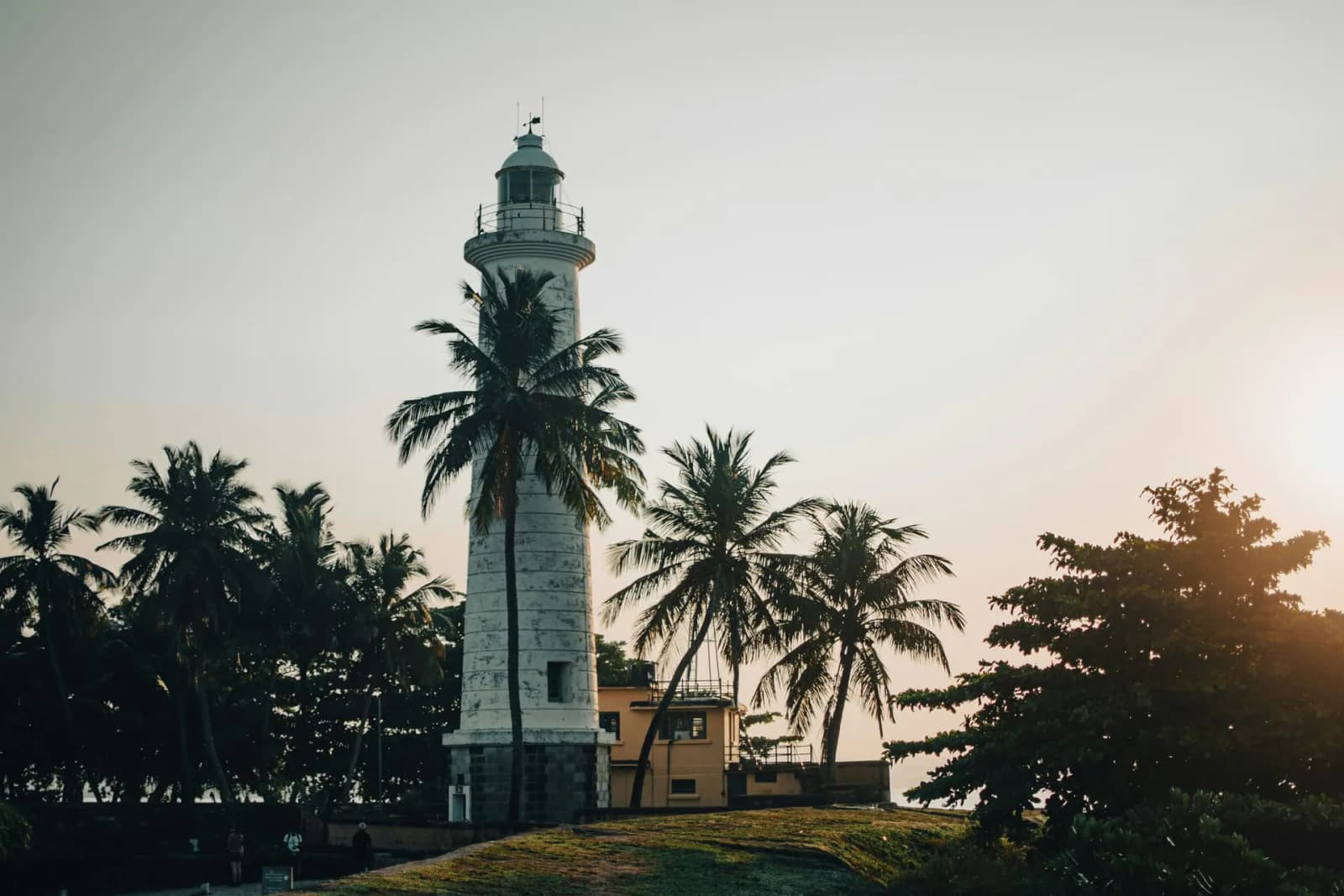
The Grand Island Journey
Coast to hills, end to end — the complete island, unhurried, at your own rhythm.
12 days · from USD 1,680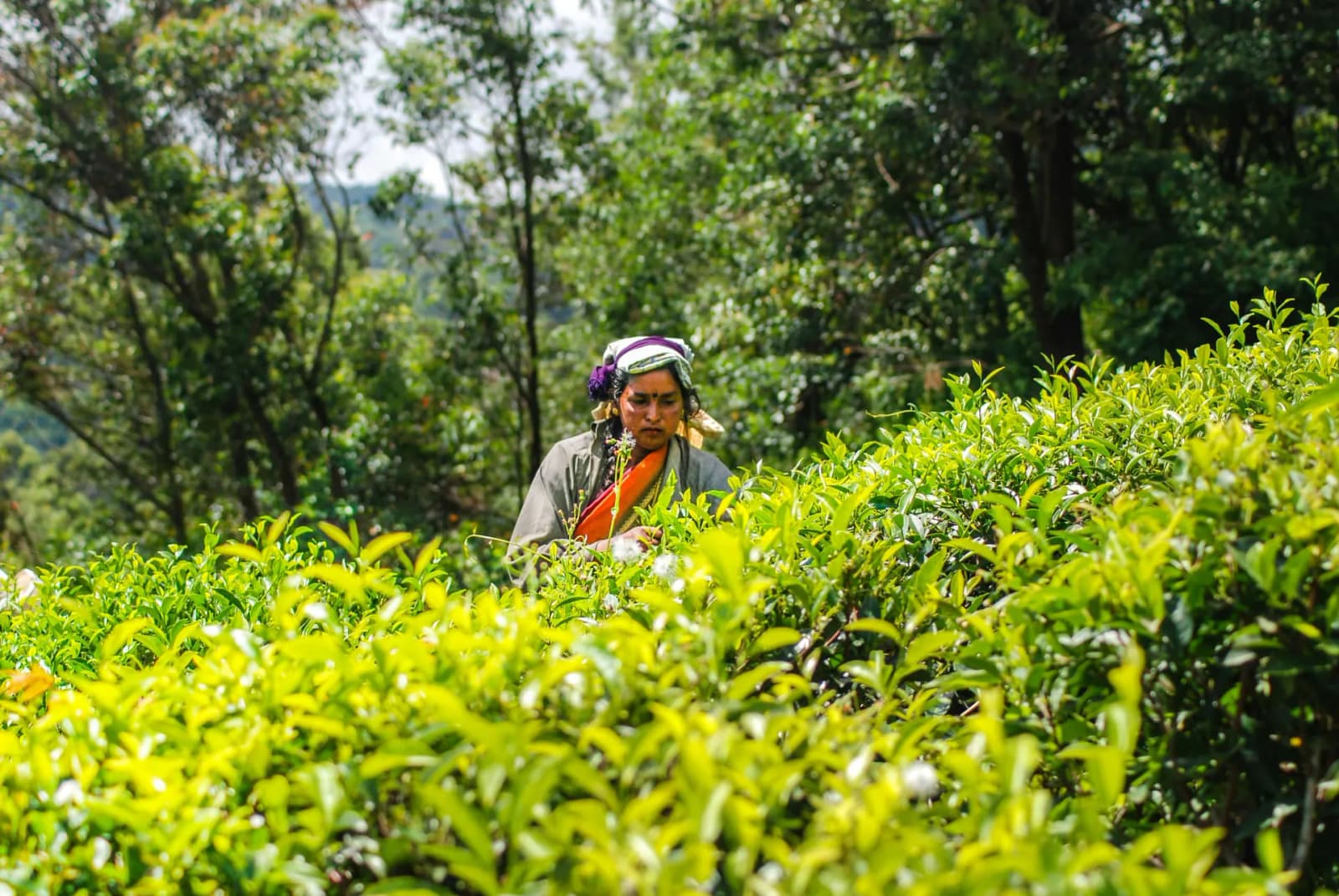
Hill Country
Hill Country & Tea Trails
Kandy to Ella by the slow blue train, through mist, waterfalls, and endless emerald terraces.
7 days · from USD 890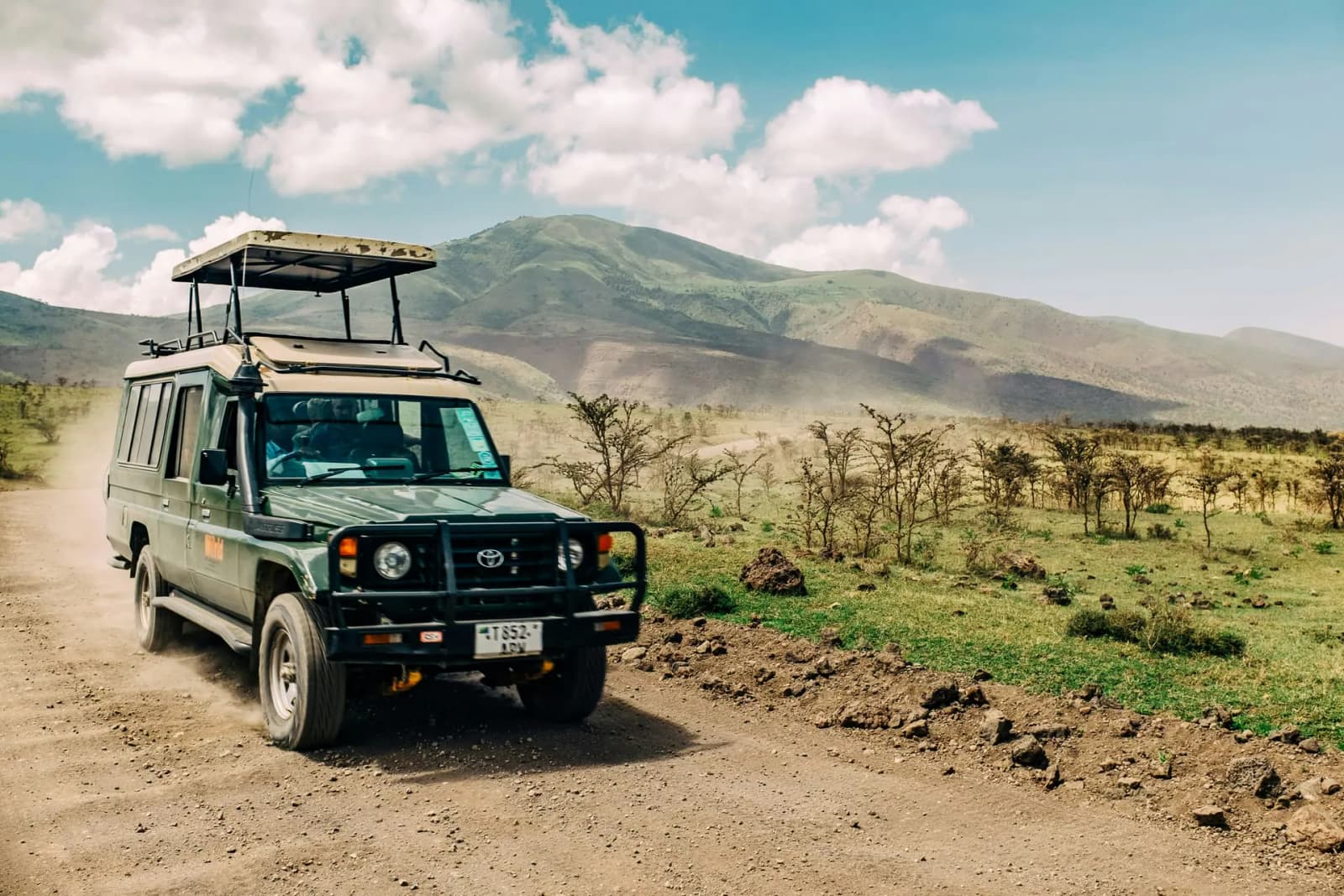
Deep South
Wild South, Safari & Sea
Dawn game drives in leopard country, then warm southern bays and whale-rich mornings.
6 days · from USD 760
Good to know
Frequently asked questions
What should I wear in Sri Lanka?
Loose, light, breathable clothing for the coast and dry zone, plus a genuine warm layer for the hill country, where nights fall to around 10°C in Nuwara Eliya. For temples you need shoulders and knees covered, for men as well as women, and shoes come off at the entrance. Smart-casual covers everything in Colombo; formal wear is rarely needed.
Do I need warm clothes for Sri Lanka?
Yes, if your route includes the hill country, which nearly all do. Nuwara Eliya sits at over 1,800 metres and drops to around 10°C at night year-round, hotels seldom have heating, and dawn at Horton Plains is colder still. A fleece, long trousers and closed shoes are enough — but leaving them out is the most common packing mistake made here.
What is the dress code for temples in Sri Lanka?
Shoulders and knees covered, shoes and hats removed at the entrance. Major sites including the Temple of the Sacred Tooth Relic in Kandy and the Dambulla cave temples enforce this and will turn visitors away. Carry a large scarf or sarong and a pair of socks — stone courtyards get painfully hot at midday, and that solves both problems.
What plug adaptor do I need for Sri Lanka?
Sri Lanka runs on 230V, 50Hz. Type D sockets, with three round pins, are the most common, while Type G UK-style sockets are increasingly widespread, especially in newer hotels. A universal adaptor covering both is the safe answer. A power bank is worth packing for long drive days and early safari starts.
Should I bring insect repellent to Sri Lanka?
Yes. Dengue is present in Sri Lanka and its mosquitoes bite during the day, particularly around dawn and dusk, so a repellent containing DEET or picaridin is worth carrying. Bring long sleeves for evenings, and be more careful in the wetter months of October and November when standing water increases mosquito numbers.
What do I need for a safari in Sri Lanka?
Layers, because a jeep at dawn is genuinely cold and the same jeep by mid-morning is hot. Muted colours rather than bright ones, a buff or scarf against the dust, a hat, sunscreen, a zoom lens of 200mm or more if you are photographing, and binoculars — the item visitors most often regret leaving behind.
Can I bring a drone to Sri Lanka?
Only with the right permissions. Drone use is regulated, permits are required, and many archaeological sites, national parks and religious locations prohibit flying outright. Check the current requirements before packing one, because equipment can be held at customs and fines apply for unauthorised flights.
Continue exploring
Not sure what your route needs?
Send us your dates and we will tell you what the itinerary actually demands — and carry the bags you would rather not.