Wildlife
Yala vs Udawalawe: Which Safari Should You Choose?
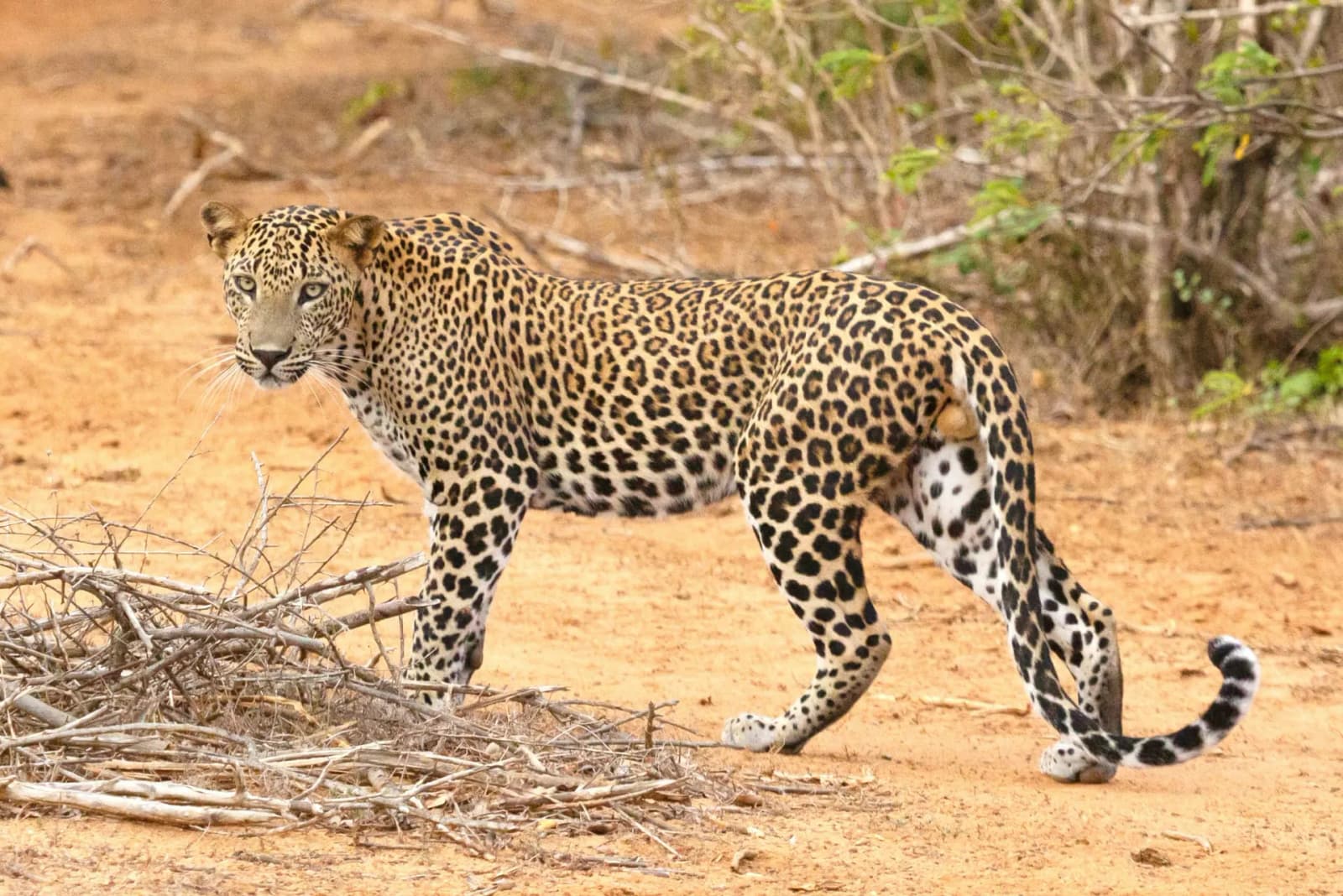
These are the two safaris most visitors to Sri Lanka choose between, and they offer genuinely different days. Yala has the highest leopard density and the crowds that follow it. Udawalawe has near-guaranteed elephants, a calmer atmosphere, and no seasonal closure. Here is the honest comparison, including when neither is the right answer.
Park fees are set by the Department of Wildlife Conservation, paid at the gate in rupees, and include per-vehicle and service components — so the per-person cost falls as group size rises. Figures below are indicative as of 29 July 2026; confirm current rates before you travel.
- Yala
- Leopards, busiest park
- Udawalawe
- Elephants, open year-round
- Best months
- February to July
- Yala Block 1
- Usually closed Sept–Oct
The short answer
If seeing a leopard is the point of the trip and you accept that you may share the sighting with fifteen other jeeps, go to Yala. If you want a calmer morning with reliable elephants, fewer vehicles and better value, go to Udawalawe. If you have time for two safaris, do Udawalawe first — going the other way round makes Udawalawe feel quiet rather than peaceful.
- Leopards as the priority: Yala, Block 1, first light.
- Elephants, families, and a gentler pace: Udawalawe.
- Travelling in September or October: Udawalawe or Wilpattu, since Yala's main block usually closes.
- Leopards without the crowds, and willing to travel north: Wilpattu.
Yala and Udawalawe compared
Swipe sideways to see all columns
| Yala | Udawalawe | |
|---|---|---|
| Best known for | Leopards — among the highest densities anywhere, concentrated in Block 1 | Elephants, in large numbers and at close range, all year |
| Landscape | Varied: scrub, forest, lagoons and rock outcrops, with the sea at the edge | Open grassland and scrub around a large reservoir — big skies, long views |
| Crowds | The busiest park in Sri Lanka; jeeps converge quickly on a sighting | Noticeably quieter, and sightings usually feel unhurried |
| Other wildlife | Sloth bear, elephant, crocodile, buffalo, and exceptional birdlife | Buffalo, crocodile, jackal, and outstanding raptors and water birds |
| Season | February to July strongest; Block 1 usually closed September–October | Open 365 days a year, with no seasonal closure |
| Where you stay | Tissamaharama, Kataragama, or camps and lodges near Palatupana | Udawalawe village, or lodges within reach of the main gate |
| Suits | Wildlife photographers and travellers set on a leopard | Families, first safaris, and anyone who values atmosphere over the rare species list |
What are your actual chances of seeing a leopard?
Yala Block 1 has a genuinely remarkable leopard density, and in the dry months a morning drive has a fair chance of a sighting. It is not a guarantee, and anyone promising one is selling rather than guiding. Odds improve with a dawn start, with the dry season from February to July when animals concentrate around shrinking waterholes, with a full-day rather than half-day permit, and with a driver-guide who tracks alarm calls instead of following the radio traffic to whatever the pack has already found.
- February to July is the strongest window: less water, less cover, more movement.
- Be at the gate for opening — the first ninety minutes are worth the rest of the day.
- A full day gives you the quiet middle hours when most jeeps have left.
- Udawalawe has leopards too, but they are seldom seen; treat any sighting there as a bonus.
The crowding problem at Yala is real
Yala is the most visited park in Sri Lanka, and at peak times the experience can suffer for it. This is worth knowing before you book rather than discovering at the gate.
- Jeeps communicate by radio, so a leopard sighting can draw a queue of vehicles within minutes.
- The morning entry queue at Palatupana can be long — arriving at opening matters twice over.
- Drivers who chase radio calls give you a worse day than those who work an area patiently.
- If crowding is likely to spoil it for you, Wilpattu or Udawalawe are the better choice.
What a safari actually costs
Park charges are set by the Department of Wildlife Conservation and paid at the gate in rupees. They combine a per-person entry fee with per-vehicle and service charges plus tax, which is why the per-person total falls as your group grows. Jeep hire is separate.
Swipe sideways to see all columns
| Item | Indicative cost | Notes |
|---|---|---|
| Park entry, foreign adult | Roughly US$40–45 equivalent | Includes service charge and taxes; fees have risen in recent years |
| Park entry, child aged 6–12 | Roughly half the adult rate | Children under 6 generally enter free |
| Group effect | Per-person cost falls with group size | Part of the gate charge is per vehicle, so four people pay less each than one |
| Private jeep hire, half day | Roughly US$25–60 per vehicle | Typically seats up to six; morning or afternoon drive |
| Private jeep hire, full day | Roughly US$50–110 per vehicle | Better odds and far fewer vehicles in the middle of the day |
Fees at Yala and Udawalawe are broadly comparable, so cost is rarely the deciding factor between them. Insist on a private jeep rather than a shared one, and treat very cheap all-in packages with suspicion — the saving usually comes out of the vehicle or the guide.
When each park is at its best
Swipe sideways to see all columns
| Period | Yala | Udawalawe |
|---|---|---|
| February to June | Peak. Dry, concentrated wildlife, best leopard odds | Excellent, and quieter than Yala |
| July to August | Good, and hot; busy with school holidays | Very good, with strong elephant activity |
| September to October | Block 1 usually closed for annual maintenance | Open as normal — the obvious alternative |
| November to January | Green and lush, sightings less predictable | Reliable elephants, excellent birdlife |
Closure dates for Yala are set annually by the Department of Wildlife Conservation and can vary by block, so confirm the current position rather than assuming the usual window.
Where they sit on a route
Both parks are in the south, which makes them easy to combine with the coast. Yala sits at the south-eastern corner near Tissamaharama and Kataragama, roughly an hour and a half to two hours from the Tangalle end of the south coast. Udawalawe is inland and slightly north-west of Yala, which puts it neatly between the hill country and the coast — about two hours from Ella and around two hours from the beaches around Mirissa and Tangalle.
- Yala pairs naturally with a south-coast beach stay and with Kataragama.
- Udawalawe is the better fit when you are coming down from Ella and the hill country.
- Both need an overnight nearby — a dawn gate opening is not compatible with a long drive that morning.
- Doing both is realistic on a two-week itinerary and adds one night, not three.
When the answer is neither
Yala and Udawalawe dominate the conversation, but three other parks are often the better choice depending on what you want and when you travel.
- Wilpattu, in the north-west: leopards in dense forest, far fewer vehicles, sightings harder won but genuinely wild.
- Minneriya and Kaudulla, in the Cultural Triangle: the elephant gathering around the reservoirs, strongest roughly July to October.
- Bundala, next to Yala: a birdwatcher's park, superb for waders and flamingos, and quiet.
- Horton Plains, in the hill country: not a safari at all, but the best high-altitude walking in the country.
Choosing a safari you can feel good about
Standards vary widely, and the cheapest jeep is usually cheap for a reason. A few things separate a good operator from a bad one.
- A private jeep, not a shared one, so the driver works to your interests rather than a consensus.
- A guide who keeps distance from animals and does not block their path for a photograph.
- No off-track driving, and no baiting or calling to draw animals closer.
- Willingness to sit quietly in one place rather than racing between radio calls.
How we arrange safaris
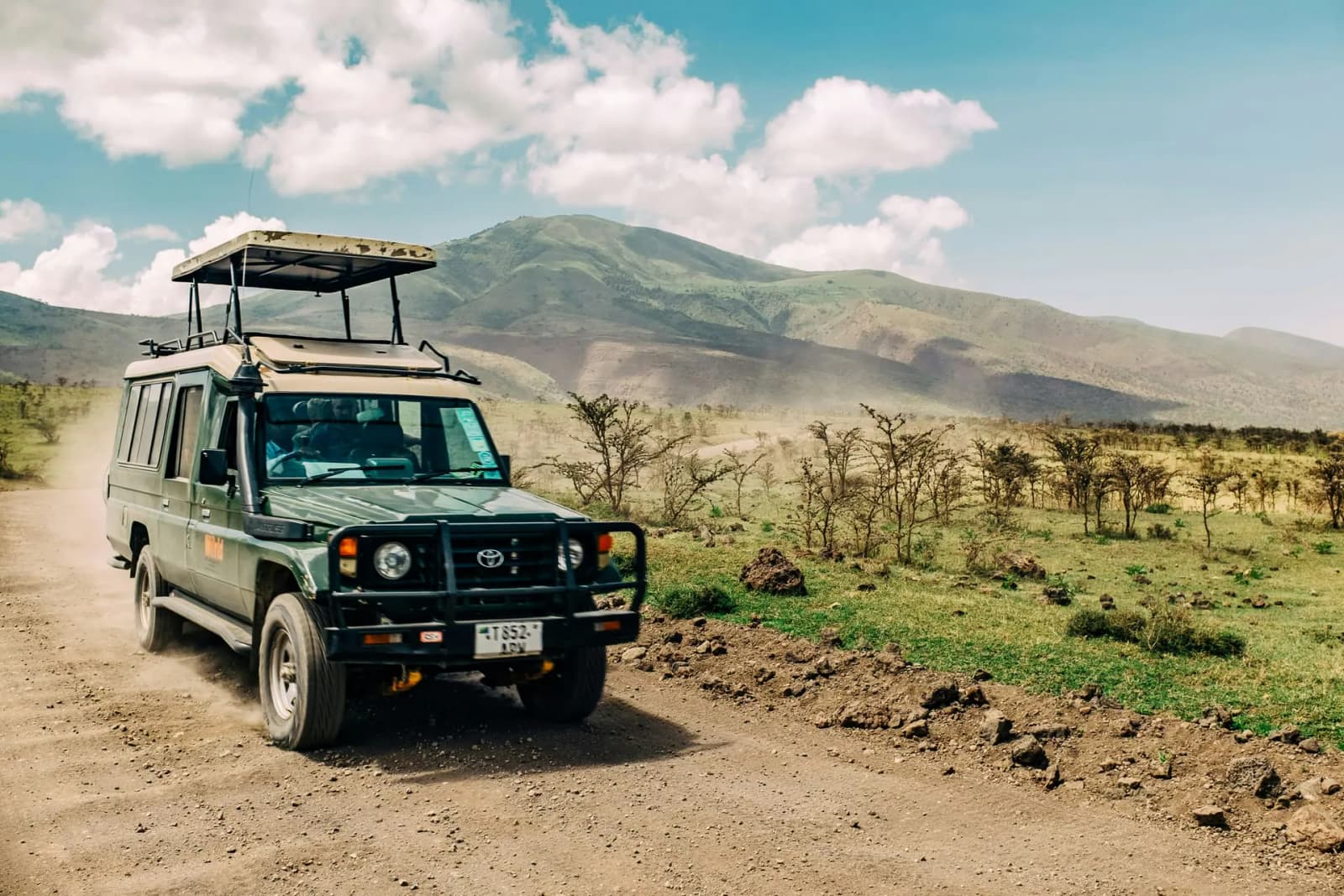
We book private jeeps with naturalist guides we work with regularly, and we place the safari where it belongs in the route — with a night nearby so you can be at the gate when it opens, rather than a pre-dawn drive from somewhere else. Where the season argues for Udawalawe or Wilpattu over Yala, we will tell you that, including when it means recommending the less famous name.
- Private jeeps and naturalist guides, never shared vehicles
- Accommodation placed for a dawn gate opening
- Park choice matched to your month and to current closures
- Entry fees and permits handled and itemised in advance
Official sources
Safari built in
Journeys with a proper wildlife day
On these routes the safari has a night beside it, so you are at the gate at opening rather than driving through the best hour of the day.
Deep South
Wild South, Safari & Sea
Dawn game drives in leopard country, then warm southern bays and whale-rich mornings.
6 days · from USD 760
Island-wide
The Grand Island Journey
Coast to hills, end to end — the complete island, unhurried, at your own rhythm.
12 days · from USD 1,680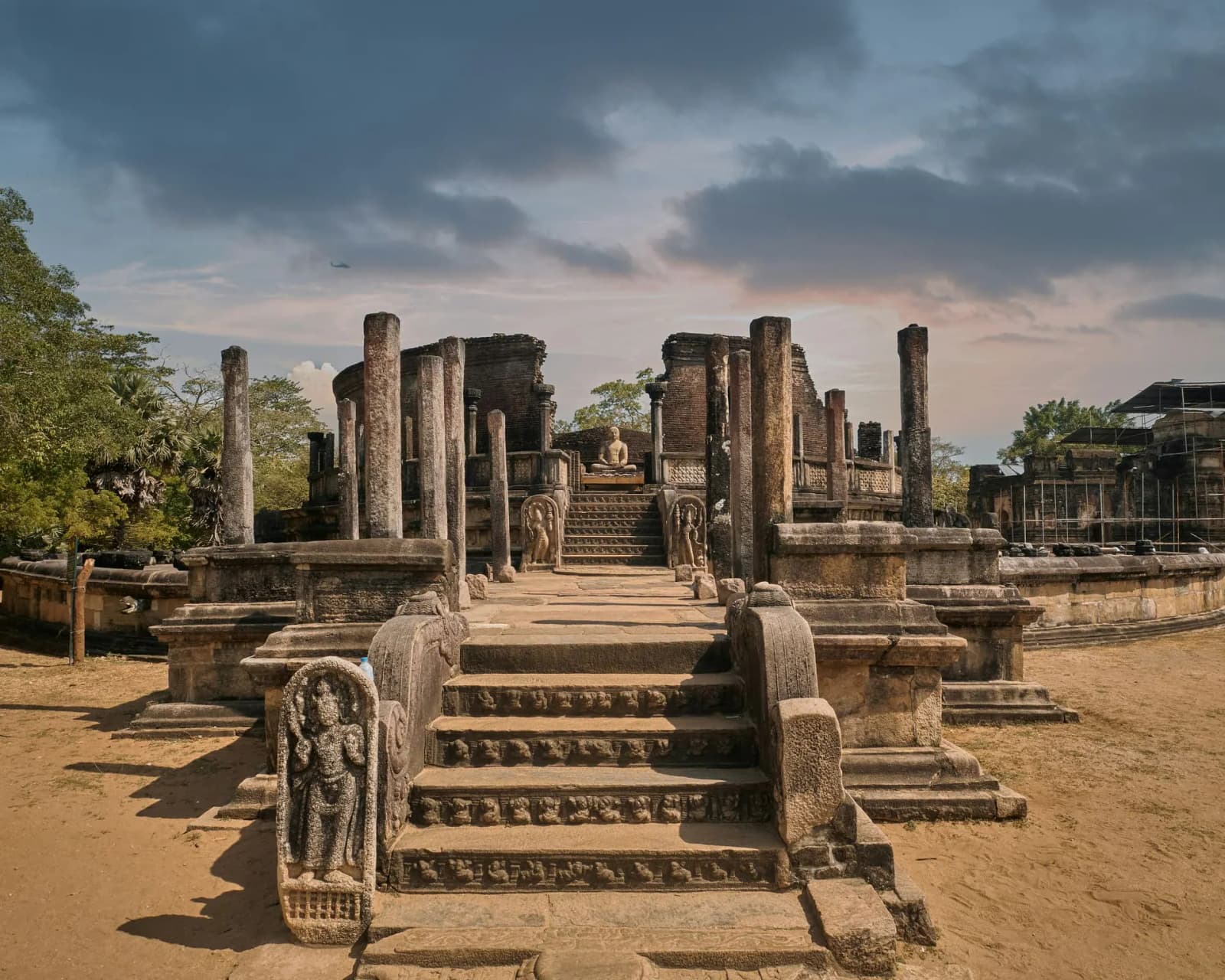
Cultural Triangle
Cultural Triangle Circuit
Ancient cities, cave temples, and the climb up Sigiriya into sky-palace air.
5 days · from USD 640
Good to know
Frequently asked questions
Which is better, Yala or Udawalawe?
Neither is better in the abstract — they are different days. Yala gives you the best leopard odds in Sri Lanka along with the heaviest jeep traffic. Udawalawe gives you near-certain elephants at close range, far fewer vehicles, and no seasonal closure. Choose Yala if a leopard is the goal, Udawalawe if the quality of the morning matters more than the species list.
Am I guaranteed to see a leopard at Yala?
No, and any operator promising one is selling rather than guiding. Yala Block 1 has one of the highest leopard densities in the world, so the odds are genuinely good in the dry months, but it remains wild animal behaviour. Your chances improve with a dawn start, a full-day permit, the February to July dry season, and a guide who tracks rather than chases radio calls.
Is Yala closed in September and October?
Block 1, the main tourist section, is normally closed for annual maintenance during September and October, though the exact dates are set each year by the Department of Wildlife Conservation and can differ between blocks. Udawalawe is open year-round, which makes it the standard alternative for trips in those months.
How much does a safari in Sri Lanka cost?
Park entry for a foreign adult is currently around US$40–45 equivalent including service charges and taxes, paid at the gate in rupees, with children aged six to twelve at roughly half and under-sixes generally free. Private jeep hire is separate, typically around US$25–60 for a half day and US$50–110 for a full day per vehicle. Because part of the gate charge is per vehicle, the per-person cost drops as your group grows.
Can I visit both Yala and Udawalawe?
Yes, and on a two-week itinerary it adds one night rather than several — they are about two hours apart. Do Udawalawe first: the reverse order makes the quieter park feel empty rather than peaceful. Both need an overnight nearby, because a dawn gate opening does not survive a long drive that morning.
Is Wilpattu better than Yala for leopards?
Different rather than better. Wilpattu, in the north-west, has leopards in denser forest with far fewer vehicles, so sightings are harder won but feel genuinely wild when they come. Yala offers better raw odds and worse atmosphere. If crowding would spoil the day for you, Wilpattu is the stronger choice.
What is the best time of day for a safari?
The first ninety minutes after the gates open, which means being there at opening rather than arriving mid-morning. Late afternoon drives are the second-best slot. A full-day permit gives you the quiet middle hours when most jeeps have gone back for lunch — often the calmest and most rewarding part of the day.
Continue exploring
Let's put the safari in the right place
Tell us your month and we will pick the park, the gate and the night before it — so you are watching at first light instead of driving.